KEY POINTS
- Crossroads Maldives unveils a comprehensive sustainability programme to position itself as a model eco-friendly island destination.
- The initiative includes marine conservation, waste reduction and renewable energy targets across the resort.
- Crossroads Maldives aims to integrate local community engagement and cultural heritage into its environmental strategy.
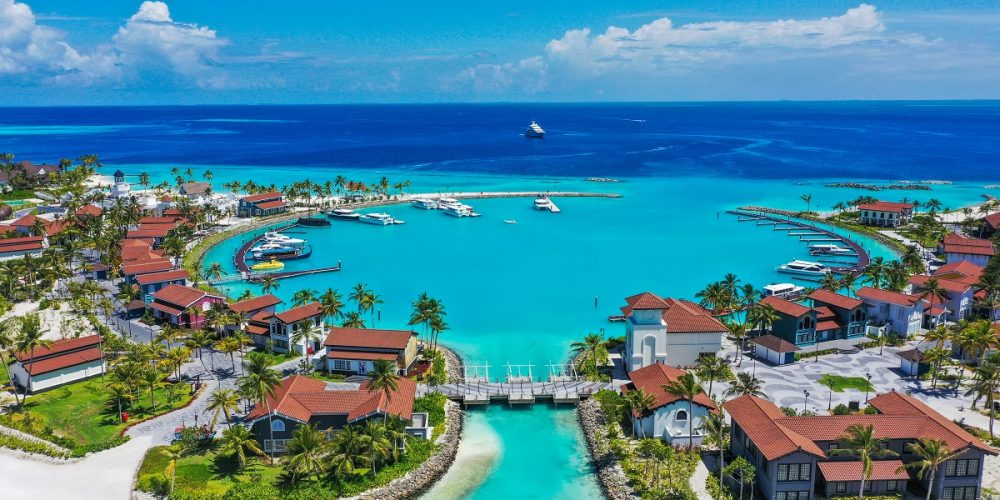
Crossroads Maldives, a mixed-use resort destination in the Indian Ocean, has launched an ambitious sustainability strategy designed to elevate standards for eco-friendly travel and conservation in island tourism. The programme focuses on measurable environmental goals, community involvement and cultural preservation, marking a significant step for the property and the region’s broader tourism industry.
A central pillar of the initiative is marine ecosystem protection, with efforts to regenerate coral reefs, safeguard sea turtle habitats and support marine research. Crossroads Maldives plans to expand its coral nurseries and partner with marine scientists to monitor reef health and biodiversity. These measures aim to create long-term resilience for fragile ocean environments threatened by climate change and human activity.
Another key element is the reduction of waste and carbon emissions across operations. The resort has committed to cutting single-use plastics, enhancing recycling systems and improving energy efficiency. Investment in solar power and other renewable technologies is part of this approach, reflecting a broader shift toward sustainable infrastructure in tourism.
A dedicated focus on water conservation also underpins the sustainability plan. The resort intends to implement methods such as rainwater harvesting and smart irrigation to preserve freshwater resources, which are especially precious in island environments. These efforts seek to balance guest comfort with responsible stewardship of scarce natural assets.
Crossroads Maldives is integrating local communities into its sustainability journey by offering training programmes and employment opportunities that support environmental education and cultural heritage preservation. The initiative emphasises respect for Maldivian traditions and seeks to create economic benefits that extend beyond the resort’s boundaries.
Cultural engagement includes collaborations with artists and local artisans to showcase Maldivian crafts and heritage on site. These partnerships aim to enrich visitor experiences while reinforcing community identity and resilience. By highlighting local voices and traditions, the resort is positioning sustainability as both an environmental priority and a cultural one.
Crossroads Maldives’ sustainability roadmap also incorporates education and awareness programmes for guests. Interactive experiences and interpretive displays will help visitors understand the ecological and cultural significance of the region. These initiatives seek to build traveller appreciation of environmental challenges and promote responsible tourism practices that guests can adopt beyond their stay.
Industry partners and sustainability experts have welcomed the destination’s comprehensive approach, noting that holistic programmes are crucial for protecting vulnerable island ecosystems. The Maldives, known for its pristine waters and coral atolls, is particularly sensitive to climate impacts such as rising sea levels and ocean warming. Crossroads Maldives’ effort highlights how tourism operators can contribute to broader resilience goals.
Environmental monitoring and performance tracking will be central to the resort’s strategy, with annual reporting on progress toward reduction targets and ecosystem health. These transparency measures aim to hold the destination accountable to stakeholders and inspire other properties in the region to elevate their sustainability practices.
The Maldives has already taken national steps toward responsible tourism, with policies that encourage energy transition and marine protection. Crossroads Maldives’ initiative aligns with these broader goals and demonstrates how private sector actors can support national sustainability agendas while enhancing visitor experiences.
Future plans include expanding partnerships with NGOs and research institutions to further biodiversity conservation, as well as exploring carbon offset programmes for guests. The resort’s leadership hopes that its model will influence industry peers and contribute to a more sustainable future for island tourism worldwide.
As interest in sustainable travel grows globally, Crossroads Maldives aims to demonstrate how luxury experiences and environmental responsibility can coexist. By setting measurable goals and involving local communities, the destination aspires to attract mindful travellers seeking meaningful connections with nature and culture.