KEY POINTS
- Novo Nordisk filed its first U.S. patent infringement suit against Hims & Hers over Wegovy copies.
- The dispute follows Hims’ attempted launch of a low-cost compounded Wegovy version.
- Novo seeks to halt sales and seek damages amid broader GLP-1 regulation changes.
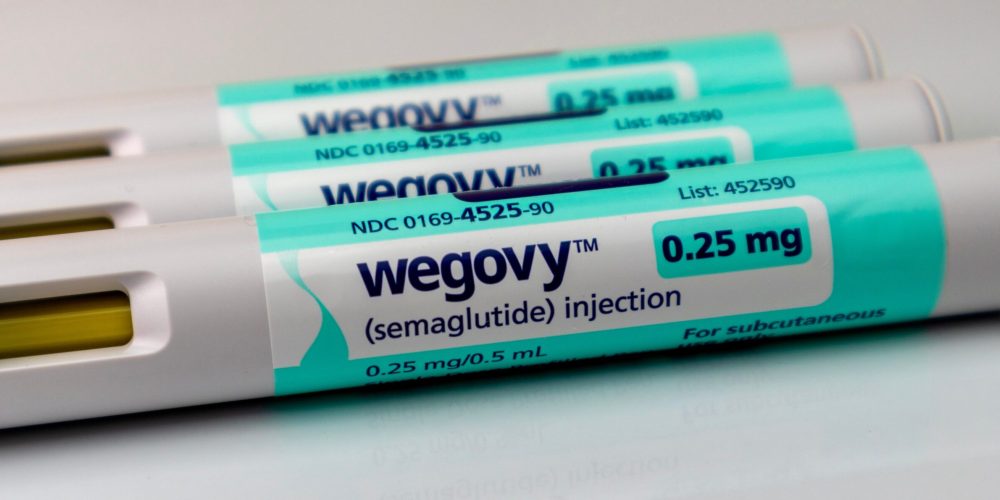
Novo Nordisk has escalated its legal battle with telehealth company Hims & Hers by filing a U.S. patent infringement suit. The Danish pharmaceutical giant alleges Hims violated its intellectual property rights related to Wegovy weight-loss drugs.
The lawsuit represents Novo Nordisk’s first patent case in the United States against a compounder over Wegovy. It targets Hims’ efforts to offer compounded versions of the drug without authorization.
The dispute stems from Hims’ announcement of a low-cost compounded Wegovy pill, which was priced significantly below the branded version. That product faced swift regulatory pressure and was withdrawn after U.S. authorities intervened.
Novo Nordisk argues that the active ingredient in these compounded copies infringes its patents covering semaglutide-based drugs. These patents apply to both injectable and oral forms of Wegovy.
In its complaint, Novo is asking the court to block Hims from selling unapproved compounded drugs. The company also seeks financial compensation for alleged losses.
The patent suit marks a shift in Novo’s legal approach. Previously, Novo focused chiefly on safety and false advertising claims against compounders. This action, however, reflects a more direct effort to protect proprietary drug rights.
Hims & Hers had promoted its cheaper compounded version as an accessible alternative. The company had cited personalized care and clinical guidance for such formulations.
However, the product’s launch prompted warnings from the U.S. Food and Drug Administration. The agency later restricted access to key ingredients used in non-approved compounded drugs.
Regulatory responses helped clear the way for Novo’s legal action. Without an official drug shortage, compounding is allowed only for specific patient needs. Novo argues that Hims’ approach went beyond personalized care.
Legal experts say the case could influence how compounded weight-loss drugs are marketed in the U.S. An injunction halting sales could set precedent in the GLP-1 space.
The dispute also underscores broader tensions in the booming obesity-drug market. Wegovy and other semaglutide-based medications have become central to weight-loss treatment strategies.
Hims defended its actions, arguing that the lawsuit limits consumer choice for compounded medications. The company said such treatments are vital for personalized patient care.
Novo Nordisk’s stock reacted positively to the news, while shares of Hims experienced downward pressure. Investors view patent enforcement as a key tool for protecting long-term revenue.
This legal battle unfolds as competition intensifies in the pharmaceutical sector. Rival firms also seek to capture market share in the expanding GLP-1 drug market.
Novo Nordisk’s strategy will likely influence other manufacturers and compounders. The outcome may determine how lower-cost alternatives are regulated and marketed.