KEY POINTS
- City officials confirm at least 17 deaths related to the ongoing extreme cold wave.
- Central Park recorded a dangerous RealFeel® temperature of 21 degrees below zero last weekend.
- Emergency “Code Blue” protocols have been active since mid-January to protect vulnerable residents.
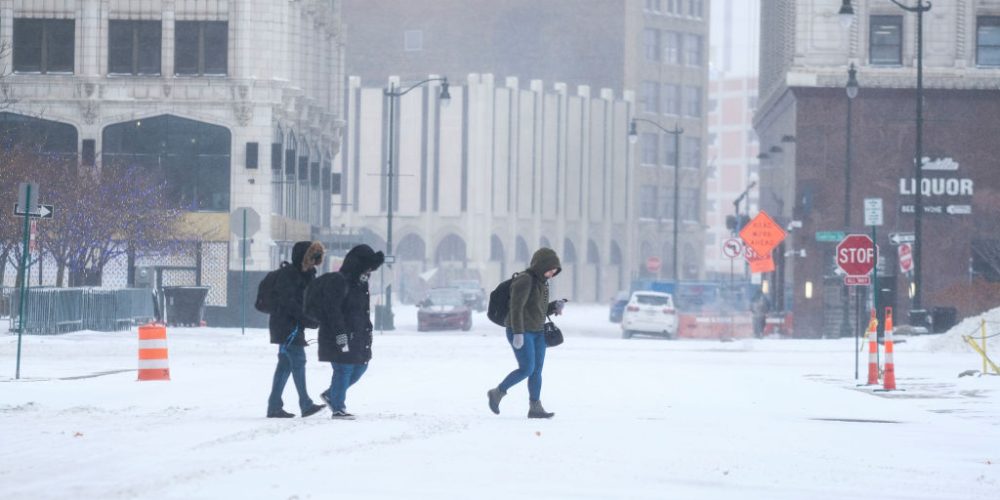
New York City is grappling with a deadly period of freezing weather that has claimed numerous lives. Mayor Zohran Mamdani recently confirmed at least 17 cold-related fatalities since the middle of January. These deaths highlight the severe danger posed by the prolonged Arctic conditions currently impacting the region.
The intensity of the cold reached a peak last Sunday morning in Central Park. Meteorologists recorded an AccuWeather RealFeel® temperature of 21 degrees below zero. This measurement marks the second-lowest RealFeel® value seen in the city since 1990. Such extreme conditions can cause frostbite on exposed skin in as little as eight minutes.
City authorities have maintained a “Code Blue” alert since January 19 to manage the crisis. This emergency status allows outreach teams to move vulnerable people into safe environments quickly. So far, more than 1,250 individuals have accessed emergency shelters and safe havens during this period. The city also opened extra warming centers to provide immediate relief from the freeze.
A specialized outreach initiative is now working to reach those still living outdoors. This program pairs trained professionals with formerly homeless New Yorkers to build trust and encourage shelter use. Mayor Mamdani emphasized that current temperatures are simply too dangerous for survival without proper protection. He urged anyone in need or witnessing someone at risk to contact 311 for help.
The current freeze follows a brief and rare break in subfreezing temperatures on February 2. Before that thaw, the city endured a nine-day streak of temperatures remaining entirely below the freezing mark. Data from the National Weather Service indicates such long stretches of freezing weather are uncommon for the area.
This extended cold wave is also placing a significant financial burden on millions of residents. Heating costs have surged across the eastern United States as utility demands peak. Many households are facing much higher electricity bills due to the relentless need for indoor warmth. The impact of the weather extends far beyond physical health into economic stability.
Infrastructure challenges have also emerged due to the persistent ice and snow. Thick ice buildup on the Hudson and East Rivers recently forced the suspension of ferry services. Navigation became unsafe for several days as heavy ice floes blocked traditional travel routes. Massive piles of snow from previous storms still line the streets along the I-95 corridor.
As temperatures eventually begin to moderate, new concerns about melting ice will arise. Rapid thawing could lead to localized flooding and hazardous road conditions in the coming weeks. For now, the focus remains on preventing further loss of life during this historic winter event.