KEY POINTS
- Kenyan alpine skier Issa Laborde will debut in giant slalom at Milano-Cortina 2026.
- Sabrina Simader, Kenya’s pioneer skier, withdrew from competition due to funding shortfalls.
- Laborde received IOC Olympic Solidarity support to train and compete.
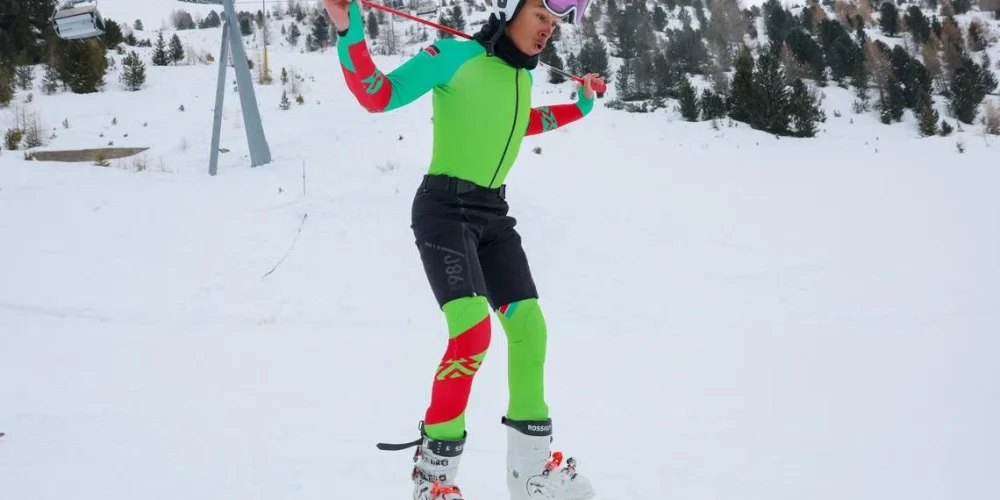
Kenyan alpine skier Issa Laborde is set to race in the giant slalom event at the 2026 Winter Olympics in Italy. The 18-year-old earns his Olympic debut after a teammate’s unexpected exit. Laborde’s participation brings Kenya representation in alpine skiing at Milano-Cortina.
Laborde’s opportunity emerged when Kenya’s Sabrina Simader withdrew from her scheduled races. Simader, who previously competed at the 2018 Winter Games, faced financial challenges. Her departure opened the path for Laborde to step into the Olympic field.
The young skier has a French father and Kenyan mother and grew up in France. He has only visited Kenya a few times but chose to represent his mother’s homeland. Laborde said he values the chance to compete on the global stage.
Financial support came from the International Olympic Committee’s Olympic Solidarity fund. The program helped cover training costs, including summer camps and coaching. Support from the IOC has enabled athletes from less resourced nations to pursue winter sports.
Laborde acknowledged that winter sport access remains limited for many African athletes. He hopes his Olympics presence encourages broader representation from the continent. “I hope it’s the beginning of something bigger,” he said.
Kenya’s ski team at the 2026 Games counts Laborde as its sole competitor after Simader’s withdrawal. If he competes, Laborde will mark a rare appearance for Africa in alpine skiing. His entry underscores both globalisation and the challenges faced by athletes from warmer climates.
Simader’s decision to pull out highlights ongoing funding and support gaps for winter sport athletes from emerging nations. Her planned return from retirement was cut short without adequate finances. Laborde said she encouraged him to focus on his own race ahead of the event.
Laborde’s Olympic goal this season was simple: to reach the starting gate. With that achieved, he now looks forward to competing on one of skiing’s biggest stages. After the Games, the teenager plans to return to high school and continue his education.
Observers say Laborde’s journey reflects broader trends in winter sports participation. Athletes with dual heritage often balance training abroad with representing nations with limited winter sport infrastructure. His Olympic presence may draw attention to support needs for future African skiers.
Laborde’s debut also adds to the narrative of expanding global participation at the Winter Olympics. Success for him could inspire athletes from similar backgrounds to pursue competitive skiing.