KEY POINTS
- The U.S. Food and Drug Administration will reassess the safety of butylated hydroxyanisole (BHA).
- BHA has been listed as “Generally Recognized as Safe” since the 1950s despite animal cancer concerns.
- The review is part of a broader FDA overhaul of food additive and chemical safety oversight.
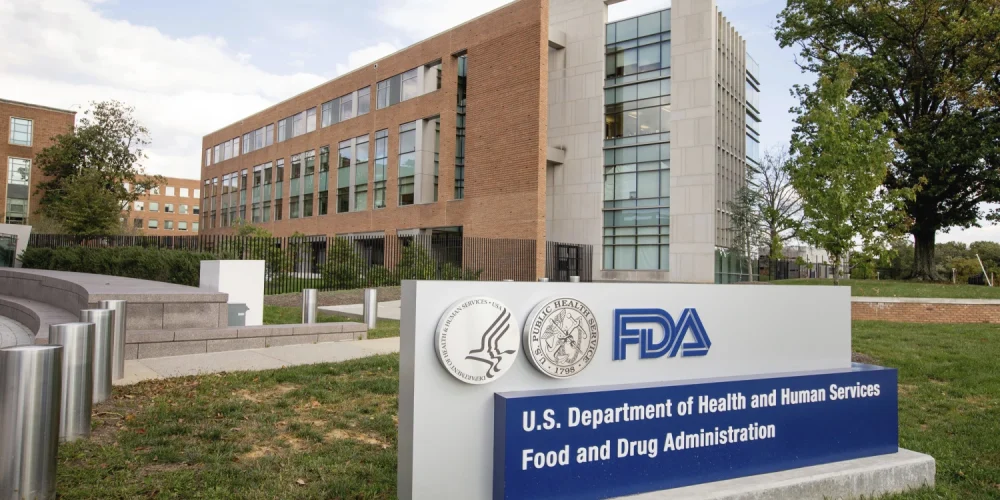
The U.S. Food and Drug Administration announced a comprehensive review of a decades-old food preservative used to prevent spoilage of fats and oils. The agency is seeking updated scientific evidence on butylated hydroxyanisole, commonly called BHA, as part of a sweeping food additive safety overhaul.
BHA has been allowed in the U.S. food supply for more than 60 years, first classified as “Generally Recognized as Safe” in 1958 and approved as an additive in 1961. It appears in products such as cereals, frozen meals, cookies, candy, ice cream and some meat items. The preservative also extends shelf life in cosmetics, pharmaceuticals, and animal feed.
Despite its long-standing regulatory status, BHA has faced scrutiny from health advocates and scientists. The National Toxicology Program once listed it as “reasonably anticipated to be a human carcinogen” based on animal studies, prompting calls for stricter evaluation. Critics argue that evolving science warrants updated safety assessments of such widely used chemicals.
Under the new review, the FDA has issued a formal request for data from food manufacturers and other stakeholders on how BHA is currently used and its potential health impacts. That information will help the agency determine whether BHA continues to meet safety standards under modern scientific expectations.
Officials said the action aligns with broader efforts to modernize how long-approved chemicals are overseen. Last year, the FDA launched a post-market chemical safety program aimed at improving transparency and scientific rigor in evaluating additives already in widespread use. Similar reassessments are planned for other substances, including butylated hydroxytoluene (BHT) and azodicarbonamide.
Health advocates and some federal officials say the review marks a shift from past practices that relied heavily on historic approvals. “This reassessment marks the end of the ‘trust us’ era in food safety,” Health and Human Services Secretary Robert F. Kennedy Jr. said in a separate statement. The FDA intends to apply “gold-standard science” to determine whether BHA continues to be safe under current usage patterns.
The review encompasses BHA’s presence not only in food but also in food-contact materials, such as packaging. The agency will consider dietary exposure, toxicity data and any new scientific findings that could affect risk assessments.
Industry stakeholders now must provide detailed information by deadlines outlined in the request for data. Companies may need to submit studies showing how much BHA consumers are exposed to and how that exposure might relate to health concerns.
The FDA’s safety overhaul comes amid growing public attention to chemical additives and long-term health effects. If the review finds notable risks, regulators could recommend label changes, usage restrictions or even removal of BHA from certain products.
Consumer groups have long urged stricter oversight of additives that entered the U.S. food supply decades ago. They say modern research tools and expanded data justify a fresh look at substances originally approved under less stringent scientific standards.
The FDA’s actions could influence how other longstanding food additives are assessed in the future. The agency has signaled that a series of reevaluations under the new program will follow, reshaping how food chemical safety is managed in the years ahead.