KEY POINTS
- Eating habits at Super Bowl gatherings are changing, with more viewers choosing salads and lighter fare.
- Food companies and restaurants are adapting menus to appeal to health-minded consumers.
- Rising use of GLP-1 weight-loss drugs influences demand for high-protein, low-calorie foods.
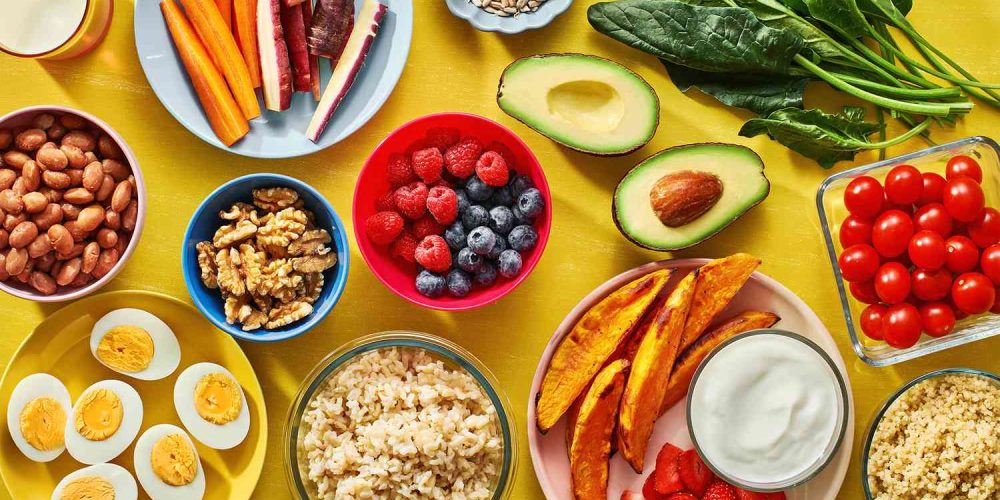
Many Americans are rethinking traditional Super Bowl food choices this year, favouring salads and lean proteins over wings, pizza and nachos. The shift reflects broader changes in eating habits tied to new weight-loss medications that suppress appetite and reduce calorie intake.
Florida retiree Marla Senzon, like others who use GLP-1 drugs, has swapped greasy party foods for a salad with grilled chicken during Super Bowl gatherings. These medications, now used by about 12 % of Americans, have changed what viewers choose to eat during big TV events.
Food companies, snack brands and restaurants are reacting to this trend as consumer demand evolves. Major packaged food producers are exploring smaller portion sizes and products higher in protein and fibre to appeal to health-conscious buyers.
PepsiCo has discussed adjusting offerings to align with these dietary shifts, while companies like General Mills and Conagra are promoting higher-protein and lower-sugar items. Meal-kit providers and restaurant chains are also adding options that fit the dietary patterns of Super Bowl viewers who are managing calorie intake.
Restaurants are seeing the trend influence not just sides and snacks but main menu items. Chains such as Good Times Restaurants have introduced protein bowls that reflect the priorities of customers using appetite-suppressing treatments.
Analysts say the changes go beyond a short-lived fad. Roughly one in eight Americans now takes a weight-loss drug that affects appetite and food preferences, and this group often seeks healthier eating patterns year-round.
Super Bowl Sunday, traditionally associated with indulgent snacks, has become a focal point for observing these eating behaviour shifts. Food marketers see an opportunity to tap new trends rather than rely solely on classic party foods.
The trend is not limited to entrees. Even snack segments are being rethought, with higher-nutrient bars, Greek yoghurt and protein-rich alternatives gaining traction at Super Bowl gatherings and beyond.
Rising interest in weight-loss treatments and healthy eating intersects with ongoing pressure from consumers seeking value and taste. As a result, food companies are balancing flavour expectations with nutritional considerations to meet diverse demand.
The Super Bowl’s massive viewership provides a unique snapshot of broader food consumption trends across the United States. What viewers choose to eat during the game could reflect longer-term shifts in how Americans approach meals and snacks.
With dietary preferences continually evolving, the food industry’s response to this year’s Super Bowl may signal wider changes in product development and marketing strategies.