KEY POINTS
- Veteran aurora watchers share practical advice for seeing northern lights in 2026.
- Clear skies, timing and minimal light pollution are critical for successful viewing.
- Top aurora locations span northern Scandinavia, Iceland, Canada and Alaska.
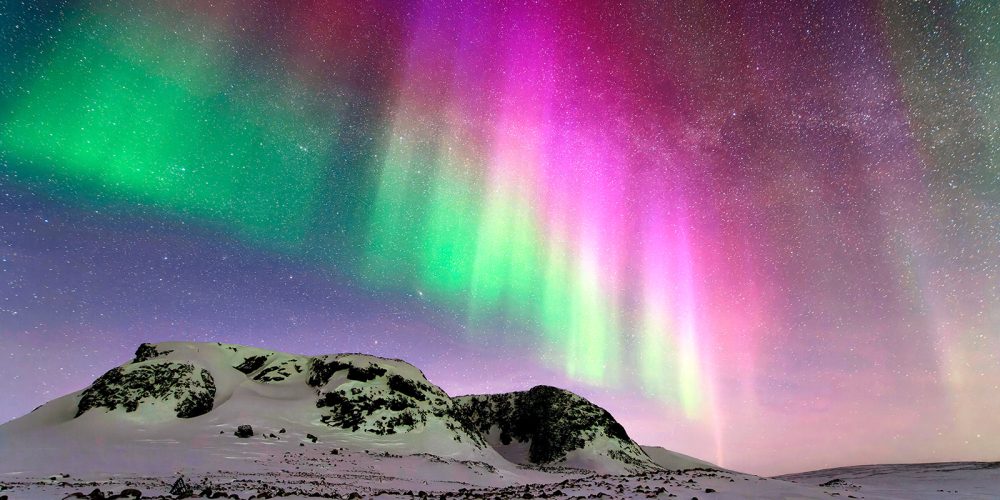
Aurora hunting remains one of nature’s most captivating pursuits, drawing travellers and photographers to cold northern skies. Expert aurora chasers offer essential tips to increase odds of seeing the northern lights in 2026, a year expected to have strong aurora activity.
Observers emphasise that while auroras are unpredictable, certain conditions greatly improve chances of sightings. Sky clarity is paramount—clear, dark nights free from clouds and light pollution are ideal.
Seasonality plays a key role too. Aurora season in the Northern Hemisphere typically runs from late autumn through early spring, with October through March offering the longest, darkest nights. Visitors should plan trips around months with extended darkness, particularly when the moon is new or minimal.
Location matters greatly for aurora chasers. Scandinavia’s Arctic regions—especially northern Norway, Sweden and Finland—are perennial favourites for clear, vivid displays. Iceland also attracts travellers with volcanic backdrops and easy access to dark, open skies.
Farther west, northern Canada and Alaska offer outstanding aurora potential. Cities like Yellowknife and Fairbanks combine low light pollution with frequent geomagnetic activity, boosting visibility on clear nights.
Aurora chasers also highlight the importance of flexibility and patience. Geomagnetic conditions vary night by night, so allocating multiple nights in northern regions increases the chances of experiencing a strong aurora display. Remaining outside after dark—often late into the night—is a common recommendation.
Many seasoned watchers bring photography gear to capture the lights, but experts urge travellers to balance imagery with direct observation—soaking in the experience with their own eyes. Modern cameras and smartphones can record vivid aurora colours, but first-hand sightings remain the goal for most chasers.
Safety and preparation are also key. Arctic temperatures during aurora season can be extreme. Proper cold-weather clothing and planning for remote environments help ensure a comfortable and safe chase.
Forecast tools and apps provide additional support for aurora travellers. Real-time geomagnetic activity alerts help chasers decide when and where to head outdoors.
Whether travellers seek the aurora in Scandinavia, Iceland or North America, expert guides recommend prioritising clear skies and darkness over simply choosing the northernmost location.
With 2026 shaping up as a promising year due to heightened solar activity, aurora chasers can expect dramatic displays for those ready to wait under Arctic skies.