KEY POINTS
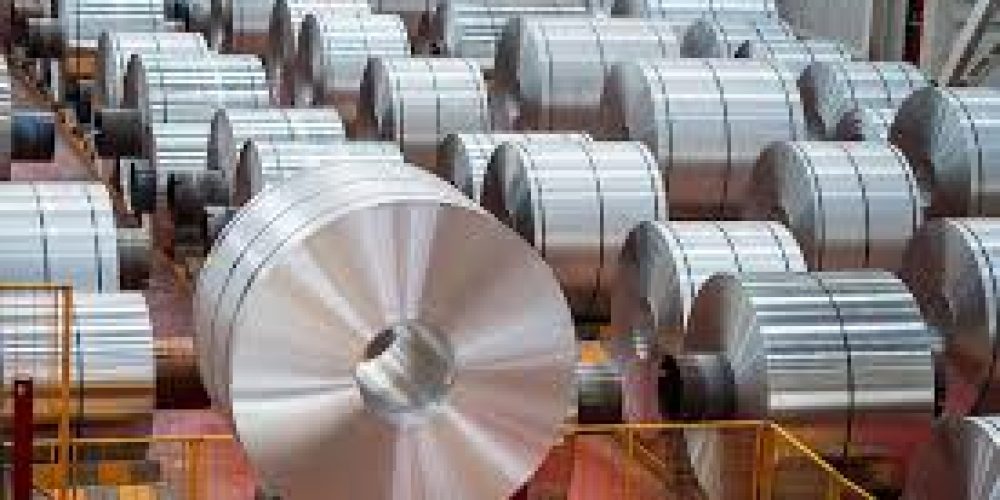
- India’s steel secretary warns that the European Union’s carbon border tax is creating significant barriers for domestic exporters.
- Stringent import quotas and new environmental tariffs are combining to reduce the competitiveness of Indian steel in Europe.
- New Delhi is actively seeking a resolution to protect its metal industry from rising trade costs and regulatory pressure.
The Indian government has voiced strong concerns over the impact of European trade policies on its industrial growth. Steel Secretary Sandeep Poundrik highlighted that the European Union’s Carbon Border Adjustment Mechanism is hurting trade. This environmental tax aims to level the playing field for local producers who face high carbon costs. However, Indian officials argue it acts as a significant hurdle for their own manufacturers.
In addition to the carbon tax, existing import quotas are further restricting the flow of Indian goods. These volume limits prevent Indian steelmakers from expanding their market share in European nations. The secretary noted that these dual pressures make it difficult for Indian firms to compete fairly. Producers now face a complex landscape of rising costs and administrative requirements to reach international buyers.
The steel industry is a vital pillar of the Indian economy and a major source of foreign revenue. Europe has traditionally been a key destination for Indian metal exports. If these trade barriers persist, it could lead to a decline in production levels across the country. Government officials are now analyzing the long-term data to quantify the exact damage to the sector.
International trade experts see this tension as part of a broader global shift toward green protectionism. While the European Union intends to lower global emissions, developing nations often find these rules restrictive. India argues that its industry needs more time and financial support to transition to cleaner technologies. Abruptly imposing taxes on carbon-intensive products may disrupt essential supply chains.
Diplomatic talks between New Delhi and Brussels are currently ongoing to address these grievances. India is exploring various legal and trade mechanisms to mitigate the financial impact on its steel plants. There is a strong push to ensure that climate goals do not turn into unfair trade advantages. The government remains committed to supporting its exporters through this regulatory transition.
The situation also highlights the urgent need for technological upgrades within Indian steel mills. Transitioning to green steel production requires massive capital investment and infrastructure changes. Without such shifts, Indian products may continue to face high tariffs in Western markets. The government is encouraging local firms to adopt cleaner energy sources to bypass future carbon levies.
Moving forward, the outcome of these negotiations will set a precedent for other carbon-heavy industries. Aluminum and cement exporters are also watching the developments closely. Both regions must find a balance between environmental responsibility and economic cooperation. For now, the Indian steel sector remains in a challenging position as it navigates these new global standards.