KEY POINTS
- Kaiser Permanente is bracing for a strike by about 3,000 pharmacy and lab workers in Southern California starting Feb. 9.
- Over 31,000 nurses and other healthcare staff remain on strike in California and Hawaii.
- Kaiser warns of delays and temporary closures of outpatient lab services and pharmacies.
Kaiser Permanente is preparing for a second wave of labor action this month.
About 3,000 pharmacy and laboratory workers plan to strike in Southern California beginning Feb. 9.
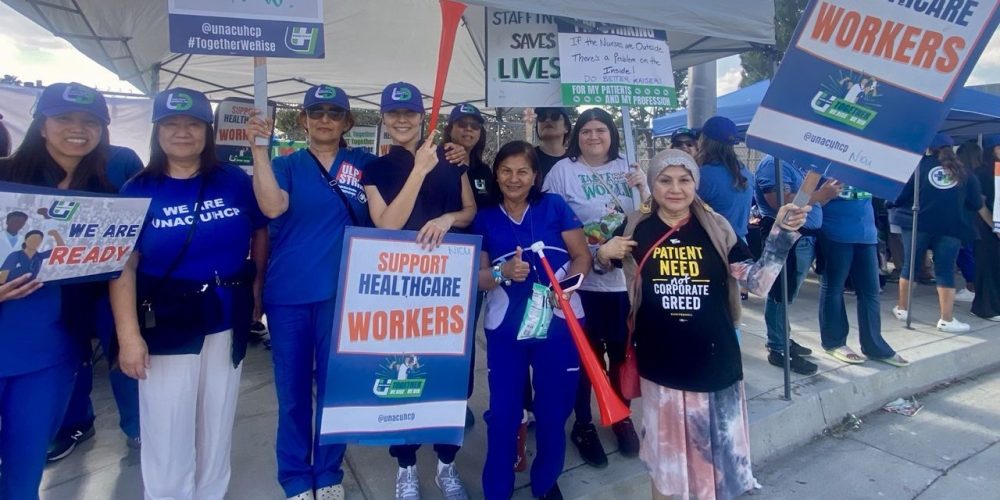
The move follows an ongoing strike by more than 31,000 nurses and healthcare workers.
That walkout began on Jan. 26 in California and Hawaii and continues into its second week.
Kaiser urged members to complete urgent lab tests before the strike date.
Officials warned routine testing may be delayed as some sites close temporarily.
Some outpatient laboratories and pharmacy clinics, including those in Target stores, have already shut.
Kaiser is encouraging patients to use mail-order prescriptions where possible.
The healthcare provider said hospitals, medical offices and emergency care remain open.
Physicians, managers and contracted licensed staff will support operations during strikes.
Routine appointments and some elective procedures are expected to be postponed.
Virtual care options will be expanded to help maintain patient services.
The United Food and Commercial Workers (UFCW) represents pharmacy technicians, clinical lab scientists and other staff.
They cited stalled bargaining and alleged violations of federal labor laws.
Kaiser maintains it is negotiating “in good faith” on national and local contracts.
It noted ongoing discussions aimed at reaching agreements with union representatives.
The pending strike adds pressure to an already stretched system during a major labor dispute.
Nurses and healthcare workers have cited understaffing and workplace concerns in their walkout.
Outpatient lab closures could affect routine diagnostics and monitoring.
Kaiser asked members to reschedule non-urgent tests until after staff return.
Mail-order pharmacy options aim to ease pressure on locations affected by strikes.
Kaiser said urgent prescriptions and critical care will continue at open facilities.
The combined labor actions represent one of the largest healthcare work stoppages in recent U.S. history.
They involve multiple unions and thousands of frontline employees.
Kaiser serves around 12.6 million members nationwide.
Disruptions could have ripple effects across regional healthcare delivery networks.
Workers continue to press demands related to pay, staffing and working conditions.
Unions say reaching fair contracts is central to safe patient care and long-term workforce stability.
Healthcare leaders are watching the situation closely as negotiations persist.
Additional mediation or bargaining sessions may occur before the pharmacy and lab strike begins.