KEY POINTS
- Erebor Bank is the first newly created institution to receive a national banking charter under the second Trump administration.
- The tech-focused bank secured $635 million in capital to serve startups in AI, crypto, defense, and manufacturing.
- Founders Palmer Luckey and Joe Lonsdale aim to fill the financing gap left by the 2023 collapse of Silicon Valley Bank.
Erebor Bank has officially received a national bank charter from the Office of the Comptroller of the Currency (OCC). This landmark approval allows the institution to operate nationwide as a full-service bank. It marks a significant shift in the federal regulatory environment for technology and digital assets.
The institution is the first “de novo” bank to be approved during President Donald Trump’s second term. The charter process was notably fast, taking less than eight months from application to final approval. This rapid timeline signals a new, more crypto-friendly approach within U.S. banking regulators.
Erebor launched with approximately $635 million in capital, far exceeding typical requirements for new banks. The institution is valued at roughly $4 billion following its most recent funding round. Major investors include Founders Fund, Andreessen Horowitz, and Lux Capital.
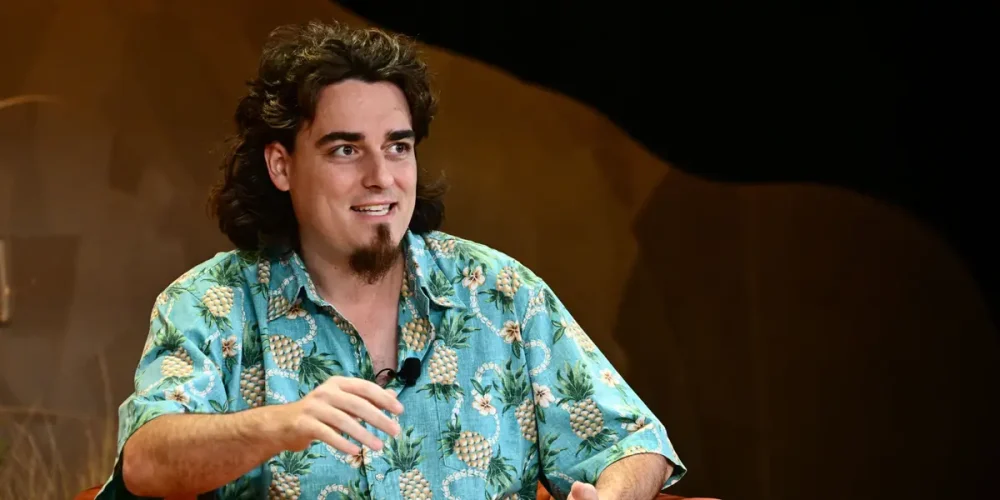
Defense entrepreneur Palmer Luckey and venture capitalist Joe Lonsdale co-founded the bank. While Luckey will serve on the board, he will not manage the bank’s daily operations. Both founders have previously established major technology firms like Anduril and Palantir.
The bank’s name is inspired by J.R.R. Tolkien’s “The Hobbit,” referring to the treasure-filled “Lonely Mountain.” This follows a trend among the founders’ other companies of using names from middle-earth. The branding reflects the bank’s mission to protect and grow wealth for the innovation economy.
Erebor specifically targets high-growth sectors that often struggle to find traditional banking partners. This includes companies working in artificial intelligence, robotics, advanced manufacturing, and virtual currencies. The bank aims to be a specialized financial hub for the “innovation economy.”
A primary goal for Erebor is filling the void left by the collapse of Silicon Valley Bank in 2023. Many startups found themselves without reliable banking options after that failure. Erebor intends to provide the specialized lending and deposit services those firms require.
The bank will offer unique features like continuous, blockchain-based payment settlement. It also plans to extend credit backed by non-traditional assets like private securities or crypto holdings. This flexibility is designed to accommodate the unique financial structures of modern tech companies.
To ensure stability, the OCC is requiring the bank to maintain strict capital ratios. Erebor must keep a minimum 12% Tier 1 Leverage ratio for at least its first three years. This requirement is double what is typically asked of established national banks.
The Federal Deposit Insurance Corporation (FDIC) previously approved the bank for deposit insurance. This ensures that customer deposits are protected under federal standards. The bank will operate as a digital-first institution headquartered in Columbus, Ohio.
Regulatory officials stated the approval demonstrates a commitment to a diverse federal banking system. They emphasized that digital asset activities are permissible if conducted in a safe and sound manner. The move is expected to pave the way for other tech-focused banking applications.