KEY POINTS
- Wildlife officials euthanized over 5,000 cold-stunned iguanas after a rare arctic blast hit Florida.
- The state used an emergency order to allow residents and professionals to collect immobilized reptiles.
- Experts estimate the freezing weather caused up to $15 billion in damage to Florida’s agriculture.
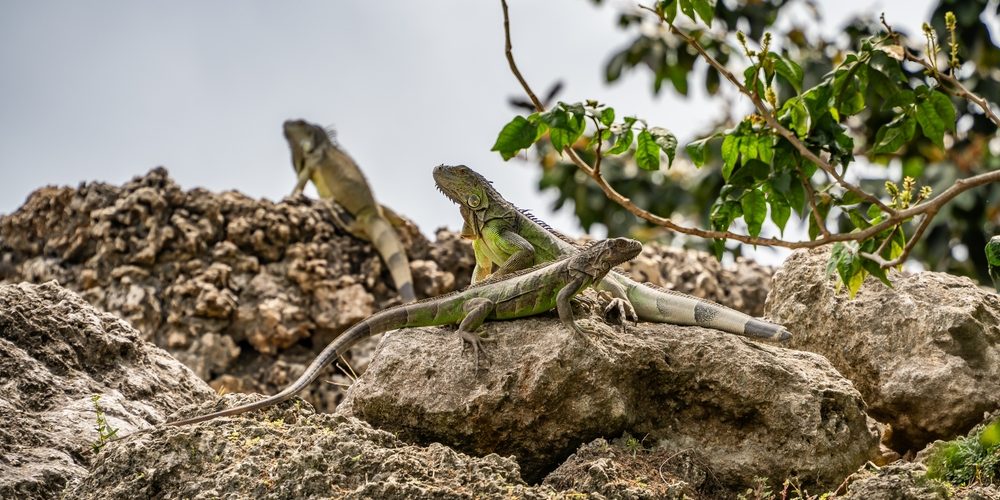
Florida wildlife officers recently oversaw the removal of more than 5,000 invasive green iguanas. This large-scale cull followed a significant cold snap that gripped the state. Temperatures dropped low enough to immobilize the tropical reptiles across southern regions.
The Florida Fish and Wildlife Commission (FWC) organized the official collection effort. When temperatures fall below 45 degrees Fahrenheit, iguanas enter a state of torpor. They often lose their grip and tumble from trees onto the ground.
During this week’s freeze, thousands of lizards became stiff and motionless. The FWC issued an emergency order to take advantage of this vulnerability. This temporary measure allowed for a rapid reduction of the invasive population.
Residents and professional pest control teams participated in the two-day event. Participants brought 5,195 iguanas to various state-run collection centers for euthanasia. Most of the activity took place in South Florida.
The city of Sunrise served as the primary hub for the operation. Staff there processed nearly 3,900 of the lizards brought in by the public. Other collection points included Tequesta, Marathon, and Fort Myers.
Green iguanas are a major nuisance for Florida’s environment and economy. They cause significant damage to infrastructure like seawalls and sidewalks. The species also competes with native wildlife for food and habitat.
Officials noted that the cull was a highly successful coordinated effort. However, many iguanas likely survived by warming up as temperatures rose. By Wednesday, the sun returned, allowing remaining lizards to recover and move.
While residents can humanely kill iguanas on their own property, transport is usually restricted. This special event provided a legal way to move and dispose of them. It marks the first time such a sanctioned cull occurred during a freeze.
The cold weather had severe consequences beyond the iguana population. Agricultural experts estimate economic losses between $13 billion and $15 billion. The state’s famous citrus groves suffered heavy damage from the frost.
About 10% of the current citrus crop may be lost due to the freeze. Farmers are currently assessing the total impact on fruit and vegetable production. Prices for these items are expected to rise for consumers soon.
The Florida agriculture commissioner is seeking federal disaster aid for farmers. Another dip in temperatures is possible for the upcoming weekend. Officials continue to monitor both the weather and the invasive species situation.