KEY POINTS
- Five U.S. national parks require travel by seaplane, boat, or charter aircraft to visit.
- Parks span from Alaska’s Arctic wilderness to island parks in Florida and California.
- Limited access preserves solitude, wildlife habitats, and unique ecosystems.
Some of America’s most spectacular national parks cannot be reached by road.
Visitors must plan travel by sea or air to reach pure wilderness and secluded landscapes.
These parks reward adventurers with solitude and untouched nature.
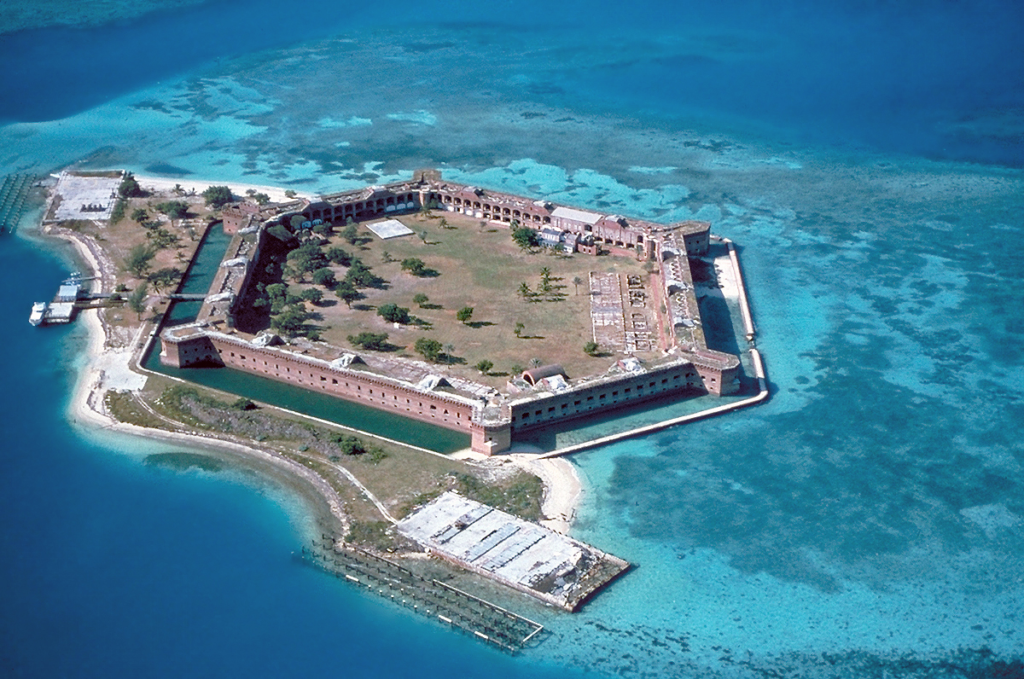
Dry Tortugas National Park lies far off the Florida Keys in the Gulf of Mexico.
The cluster of remote islands sits about 70 miles west of Key West.
Access is only by ferry, seaplane, or private boat, offering snorkeling and historic ruins.
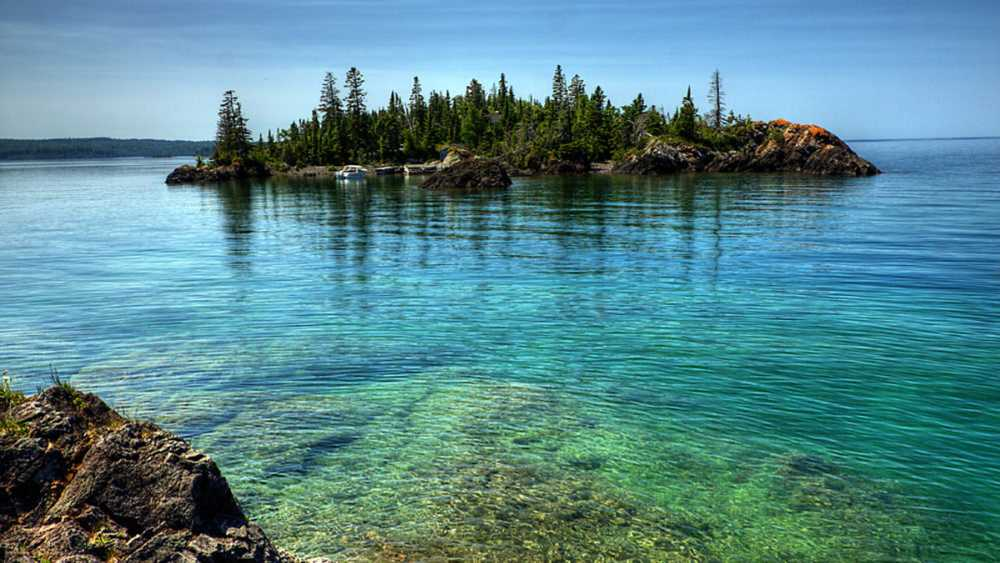
Isle Royale National Park spreads across Lake Superior near Michigan’s border.
This island park lacks road connections, reachable by boat or seaplane only.
Forests and shoreline trails provide quiet exploration away from crowds.
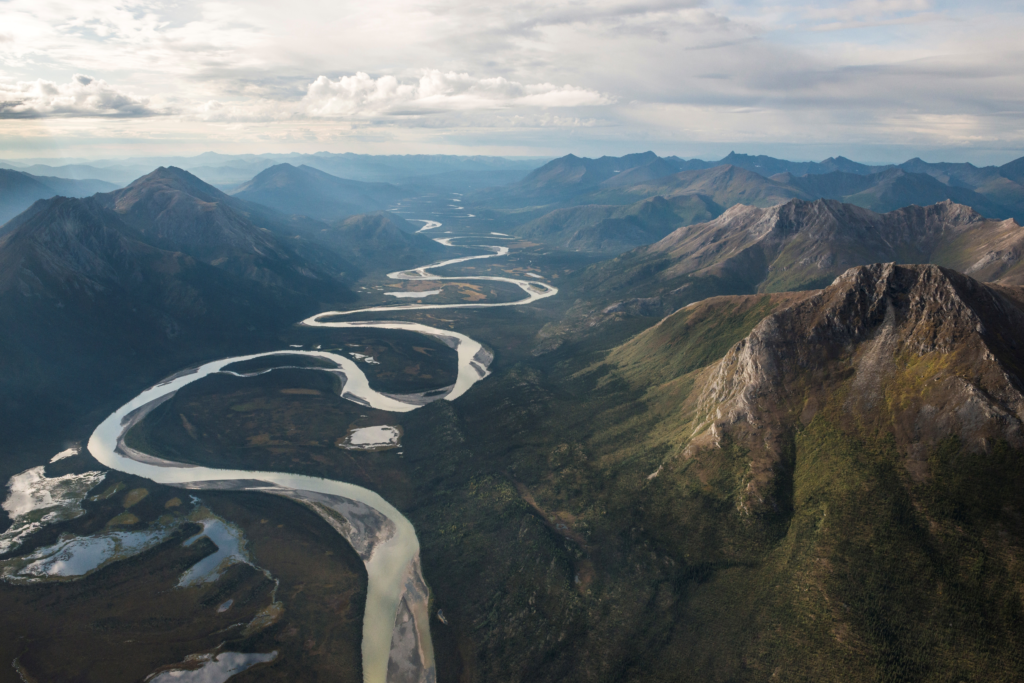
In Alaska, Gates of the Arctic National Park & Preserve is truly remote.
No roads or trails lead here, and access requires an air taxi flight.
Vast tundra, mountain ranges, and wildlife fill this wild Arctic land.
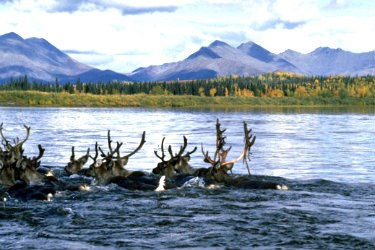
Kobuk Valley National Park shares Alaska’s remote character north of the Arctic Circle.
Visitors must fly in, as no roads or highways serve the park.
The park protects sweeping sand dunes and caribou migration routes.
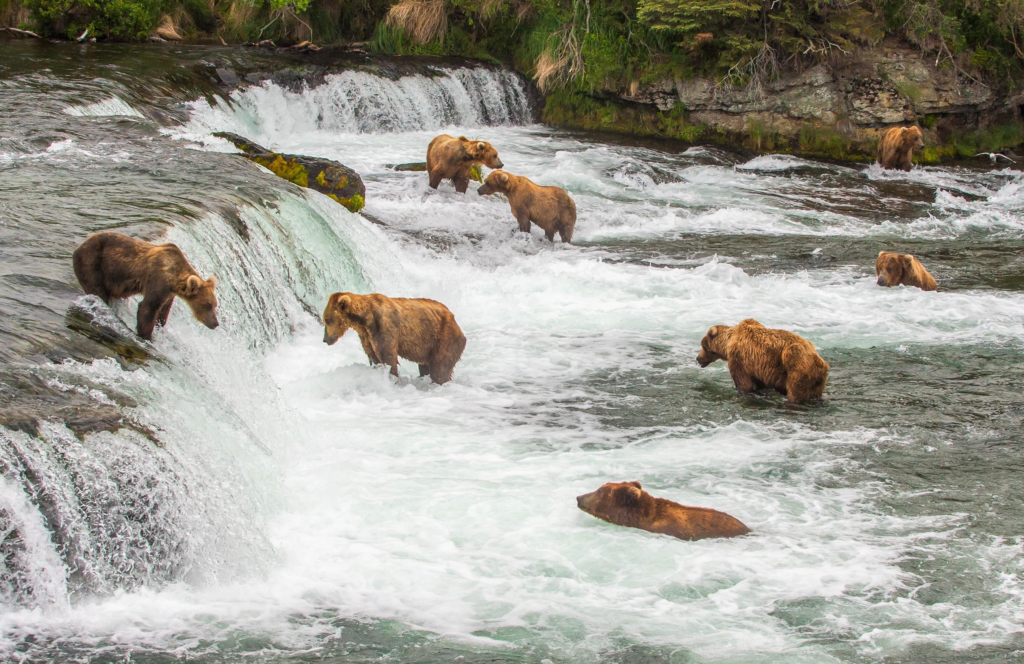
Katmai National Park & Preserve, also in Alaska, combines dramatic scenery and wildlife.
Boats or floatplanes deliver visitors to watch brown bears at fishing sites.
Its volcanic landscapes and rivers remain distant from road networks.
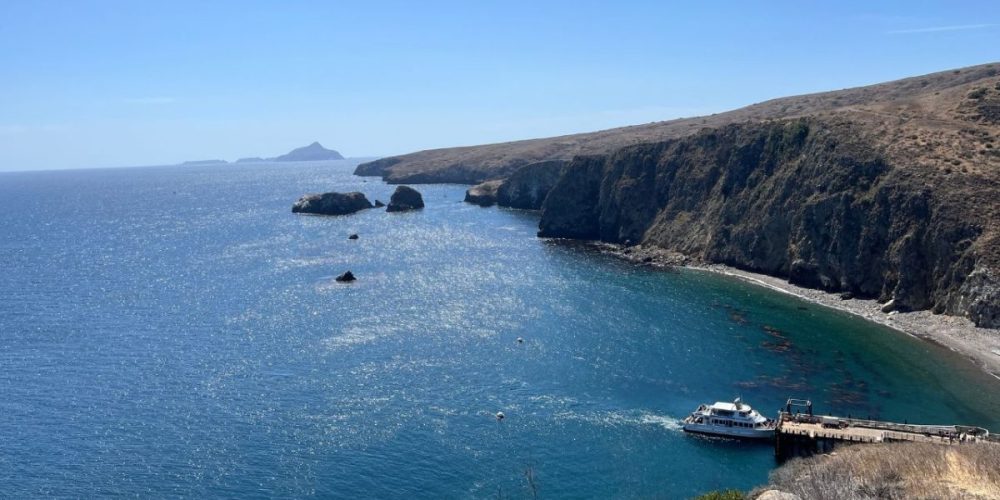
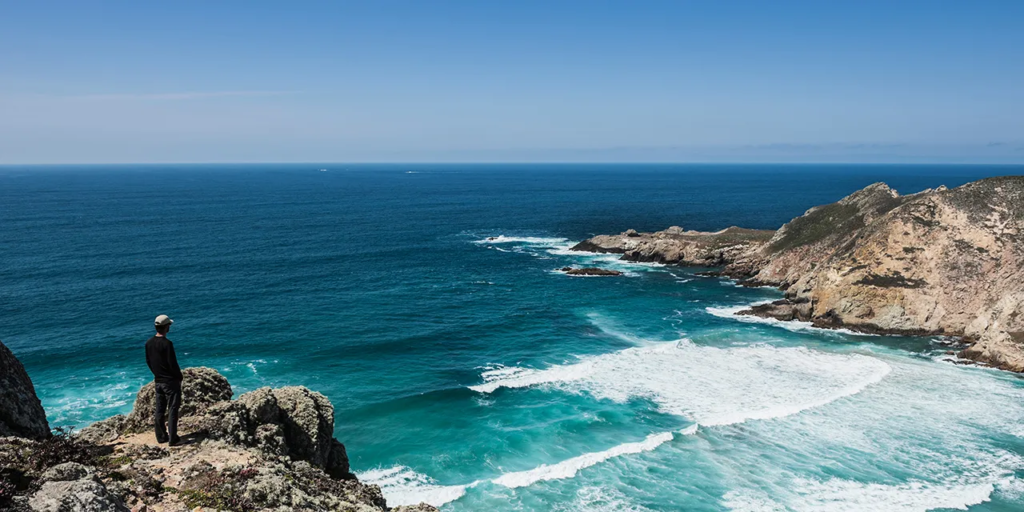
Channel Islands National Park off California’s coast also demands sea travel.
The archipelago of five islands sits miles offshore and is boat- or aircraft-accessible only.
Kayaking, wildlife spotting, and hiking reveal unique island ecosystems.
These remote parks share a common theme: limited access fosters preservation.
Fewer visitors reduce environmental impact and protect fragile habitats.
Travelers who make the journey encounter landscapes few people ever see.
Reaching these parks demands careful planning and often extra expense.
Visitors need to arrange ferries, air charters, or seasonal boat services.
Yet the reward is immersion in wilderness and wildlife without crowds.
Wildlife abounds in these isolated areas, from marine life to bear populations.
Each park’s distinct environment reflects America’s ecological diversity.
Protecting these lands remains a priority as interest in adventurous travel grows.
Article invitations to plan trips carefully highlight seasonal schedules and weather.
Some parks only operate boat services in summer months.
Air taxi availability depends on weather conditions, affecting travel timing.
For those drawn to untouched landscapes, these five parks represent extraordinary journeys.
They remind explorers that adventure often requires effort and careful planning.
The reward is access to some of the most pristine natural places in the U.S.