KEY POINTS
- Portugal estimates the direct damage from Storm Kristin at over €4 billion ($4.7 billion).
- The record-breaking weather event has become the most expensive storm in the nation’s history.
- Recovery efforts are already underway as a massive government aid package begins reaching affected regions.
The Portuguese government revealed the staggering financial impact of Storm Kristin this week. Economy Minister Manuel Castro Almeida stated that direct costs have now exceeded €4 billion. This figure represents more than one percent of the national gross domestic product. The announcement highlights the unprecedented scale of the disaster that struck the country in late January.
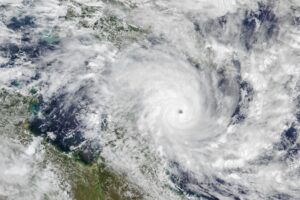
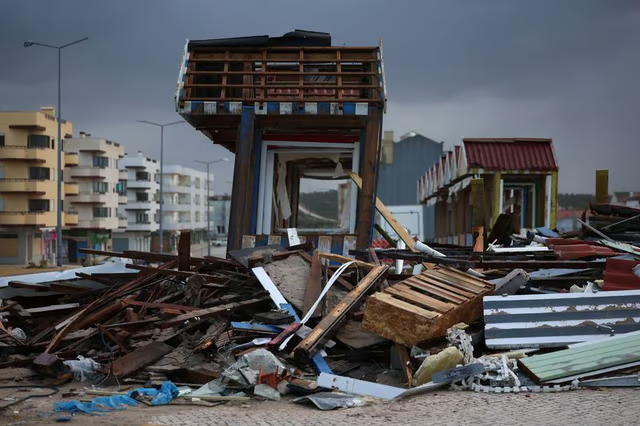
Powerful winds and torrential rain devastated central and northern regions. Destruction spans multiple sectors including housing, industry, and public infrastructure. Hundreds of homes lost roofs while factories faced severe structural failures. At the Monte Real air base, extreme gusts even damaged military aircraft. The storm also caused widespread power outages for over a million residents.
In response to the crisis, Prime Minister Luis Montenegro approved a major recovery fund. The government allocated €2.5 billion to support immediate rebuilding efforts. This package includes credit lines for businesses and subsidies for families. Specific funds will help restore uninsured primary residences and industrial sites. Authorities have also removed typical administrative barriers to speed up reconstruction.
The human cost remains a significant tragedy for the nation. Officials confirmed at least six direct fatalities caused by the extreme conditions. Hundreds of people suffered injuries as the storm moved across the Iberian Peninsula. Emergency services continue to work in hard-hit areas like Leiria and Coimbra. These regions saw wind speeds exceed 200 kilometers per hour during the peak of the storm.
Recovery teams face additional hurdles as new weather systems move in. Subsequent storms have brought more rain to already flooded communities. This secondary weather makes it difficult for crews to complete permanent repairs. The government extended the state of calamity for dozens of municipalities to manage the ongoing risk.
Environmental experts point to the rare intensity of the storm. Kristin featured a sting jet, a phenomenon that causes concentrated, violent winds. Such events are becoming more frequent as global temperatures rise. Portugal now faces the long-term challenge of building more resilient infrastructure. For now, the focus remains on stabilizing the economy and helping citizens return to their homes.