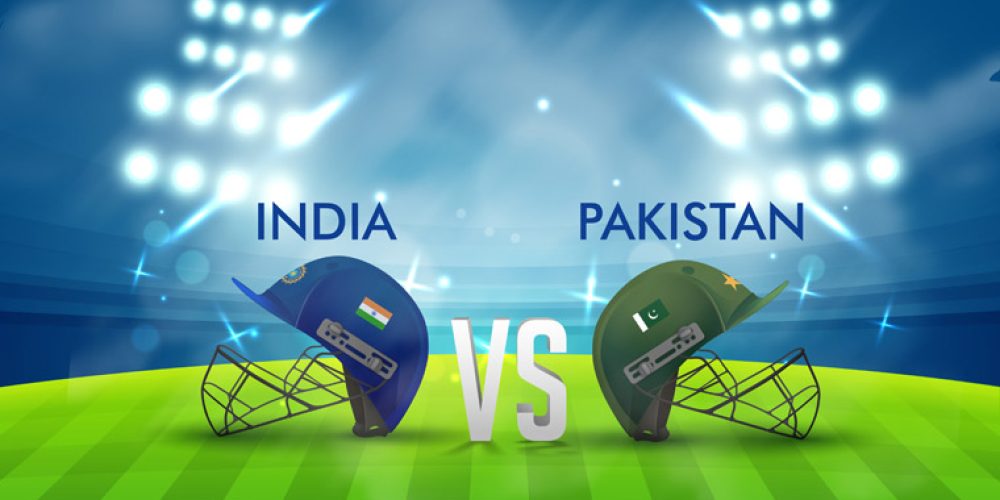
KEY POINTS
- Pakistan officially announced a boycott of cricket matches against India following a disagreement over tournament locations.
- The decision stems from India’s refusal to travel to Pakistan, citing long-standing security and political concerns.
- Fans and analysts remain divided as political tensions continue to disrupt the world’s most anticipated cricket rivalry.
The sporting world faces a major disruption as Pakistan confirms a boycott of matches against India. This decision follows a protracted dispute regarding the hosting of international tournaments. The Pakistan Cricket Board reached this conclusion after India refused to send its team across the border. Political friction has once again leaked onto the cricket pitch.
India previously stated it would not play in Pakistan due to safety worries. They requested a neutral venue for their scheduled matches. Pakistan rejected this proposal, insisting on its right to host games at home. This deadlock has now led to a total withdrawal from the upcoming fixtures.
Fans across both nations expressed mixed emotions regarding the news. Many supporters feel disappointed that they will miss the high-stakes rivalry. Others believe the boycott is a necessary stance for national pride. The absence of these teams will likely impact global viewership and tournament revenue.
Financial experts predict significant losses for broadcasters and sponsors. Matches between these two giants traditionally generate the highest income in the sport. A boycott could lead to a decline in ticket sales and advertising interest. International cricket bodies are now scrambling to manage the scheduling fallout.
Players from both sides find themselves caught in the middle of the row. Most athletes prefer to let their performance on the field do the talking. However, government policies dictate where and when they can compete. This situation limits the opportunities for young cricketers to experience legendary matchups.
Historical tensions between the neighbors have often affected their sporting calendars. Bilateral series have been rare for over a decade. Most encounters currently happen only during major international events. This latest move suggests that a return to regular play is unlikely soon.
Critics argue that sports should remain separate from political disagreements. They believe the boycott harms the spirit of the game. Conversely, some officials claim that sporting ties cannot exist without regional stability. These conflicting views highlight the complexity of the ongoing standoff.
The International Cricket Council now faces pressure to find a resolution. Officials want to ensure that future global trophies remain competitive and inclusive. However, neither board seems willing to change its current position. The cricket world now waits to see if a compromise remains possible.