KEY POINTS
- TomTom expects revenue to remain steady or slightly lower throughout the 2026 fiscal year.
- The navigation specialist projects a significant return to growth starting in 2027.
- Strategic shifts toward advanced mapping data and software services drive the long-term outlook.
TomTom announced its latest financial projections, indicating a period of stabilization before an expected surge in revenue. The Dutch geolocation technology firm anticipates that 2026 will serve as a foundational year for its business. During this time, the company expects its total income to remain relatively flat or show a minor decline.
The management team highlighted a strategic pivot toward its new map platform as a key growth driver. This transition requires a short-term investment phase that temporarily impacts the company’s top-line figures. However, executives believe this move is essential to compete in the evolving digital mapping industry.
By 2027, TomTom expects the benefits of these technological advancements to materialize in its financial results. The company is betting heavily on its ability to provide high-definition maps for automated driving systems. This specific sector is projected to expand rapidly as automakers integrate more sophisticated driver-assistance features.
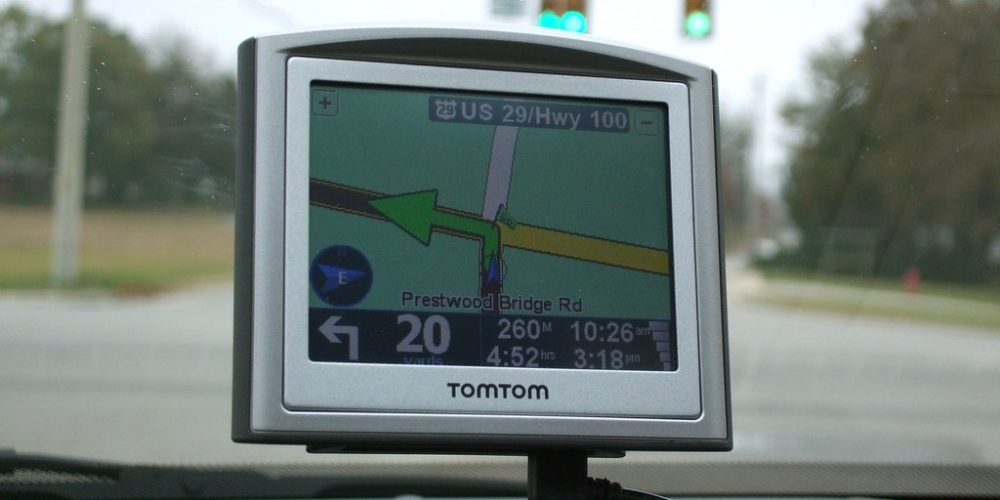
The firm has also been restructuring its operations to focus on data licensing and software. This shift away from traditional hardware reflects broader trends in the global navigation market. Most modern vehicles now rely on integrated software solutions rather than standalone GPS devices.
Investors reacted to the news with cautious optimism regarding the company’s long-term viability. While the flat outlook for 2026 was expected, the clear timeline for growth in 2027 provided some reassurance. Analysts are closely monitoring the company’s ability to secure new contracts with major automotive manufacturers.
TomTom remains a critical player in the competition against larger tech rivals in the mapping space. To maintain its edge, the firm is collaborating with various partners to enhance its data ecosystem. These partnerships are designed to improve the accuracy and real-time capabilities of its location services.
The company also reported that its enterprise division continues to see steady demand for location-based data. Many logistics and delivery firms rely on TomTom’s technology to optimize their fleet operations. This steady revenue stream helps offset the costs associated with developing next-generation mapping platforms.
Operating expenses are expected to remain under control as the company streamlines its development processes. Management confirmed its commitment to maintaining a lean structure while investing in core AI and automation tools. These tools are necessary to process the vast amounts of data required for modern maps.
The financial community will watch for updates on specific automotive partnerships throughout the coming year. Success in the high-growth software-defined vehicle market is crucial for meeting the 2027 targets. TomTom’s ability to execute its technical roadmap will define its standing in the future mobility landscape.
Despite the near-term stagnation, the company maintains a strong balance sheet to support its strategic goals. The transition period marks a significant chapter in TomTom’s evolution from a hardware maker to a data powerhouse. Achieving the 2027 growth targets would validate the firm’s long-term vision for the industry.