KEY POINTS
- An intensifying heat dome is pushing temperatures well above 40 degrees Celsius across vast regions of Australia.
- Extreme weather conditions have created a high-risk environment for the rapid start and spread of wildfires.
- Major cities and rural communities face prolonged heat exposure as the atmospheric pressure traps hot air.
A powerful weather system is currently dominating the Australian continent during the peak of the summer season. A massive heat dome has formed over the region, causing a significant spike in local temperatures. This atmospheric phenomenon occurs when high pressure traps hot air in one place for an extended period.
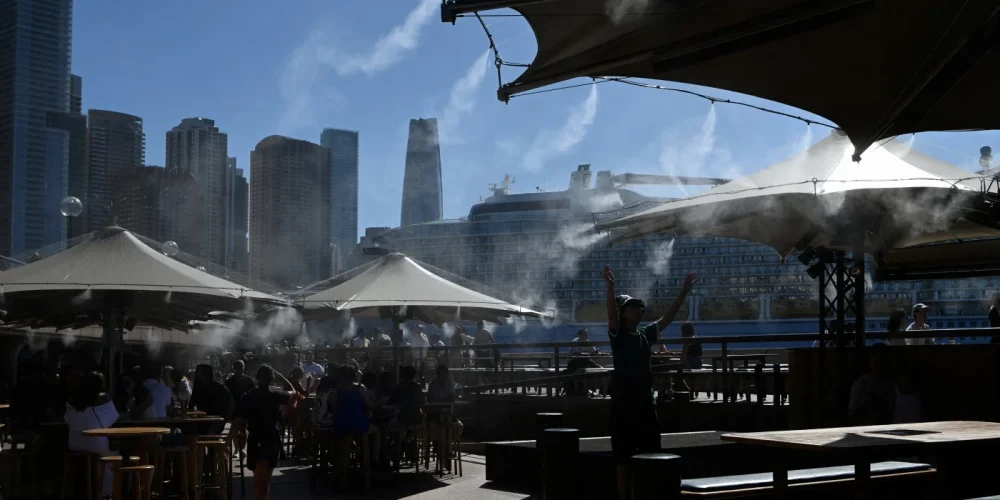
Many parts of the country are experiencing daily maximums exceeding 40 degrees Celsius. These extreme conditions primarily affect the western and southern territories. The heat persists throughout the night, offering little relief to residents and local wildlife. Meteorologists warn that this event could break several long-standing monthly temperature records.
The persistent heat has direct consequences for national safety and environmental stability. Dry vegetation combined with low humidity levels has created a dangerous tinderbox effect. Fire authorities have issued elevated warnings as the threat of uncontrolled bushfires increases. They urge the public to remain vigilant and follow local safety protocols.
Dry lightning strikes pose an additional hazard during these intense heatwaves. These strikes can ignite fires in remote areas that are difficult for emergency crews to reach. High wind speeds associated with the pressure system can further accelerate the spread of flames. Consequently, several states have implemented total fire bans to minimize human-caused ignitions.
The agricultural sector also faces severe challenges due to the current weather patterns. Livestock requires additional water and shade to survive the relentless sun. Crops risk wilting or permanent damage under the sustained thermal stress. Farmers are working around the clock to mitigate the impact on their livelihoods.
Public health officials have issued urgent advisories for vulnerable populations. The elderly and young children are at the highest risk for heat-related illnesses. Hospitals in major urban centers are preparing for an influx of patients suffering from heat exhaustion. Residents should stay indoors during the hottest parts of the day.
The high energy demand for cooling is putting a significant strain on the national power grid. Utility companies are monitoring the situation to prevent large-scale outages. They recommend that households use appliances efficiently to reduce the overall load. Sustained high temperatures often lead to mechanical stress on infrastructure.
Long-range forecasts suggest that the heat dome may persist for several more days. This duration increases the cumulative stress on the environment and public resources. Authorities continue to monitor satellite data to track the movement of the high-pressure system. Community resilience remains vital as Australia navigates this extreme summer event.