KEY POINTS
- A new clinical study indicates that eating oatmeal for just two days a week significantly reduces LDL cholesterol.
- High levels of beta-glucan fiber in oats help trap cholesterol in the digestive tract to prevent absorption.
- Short-term dietary interventions offer a practical strategy for individuals managing cardiovascular health risks.
A recent nutritional study suggests that small, consistent dietary changes can yield major cardiovascular benefits. Researchers found that consuming oatmeal just two times per week can meaningfully lower LDL cholesterol. This specific type of cholesterol, often called “bad” cholesterol, is a primary risk factor for heart disease. The findings offer a simple, accessible tool for those looking to improve their lipid profiles without drastic lifestyle overhauls.
The secret to the effectiveness of oats lies in a specific soluble fiber known as beta-glucan. When consumed, this fiber transforms into a gel-like substance within the digestive system. This gel binds to cholesterol-rich bile acids, carrying them out of the body as waste. Consequently, the liver must pull more cholesterol from the bloodstream to produce new bile. This process naturally lowers the concentration of LDL circulating in the blood.
Participants in the study followed a controlled meal plan that emphasized high-fiber intake on specific days. Those who adhered to the two-day oatmeal regimen showed a noticeable drop in cholesterol markers compared to the control group. The results suggest that even intermittent efforts can disrupt the accumulation of arterial plaque. This is particularly encouraging for patients who struggle to maintain restrictive daily diets.
Medical experts note that oatmeal is also a low-glycemic food, which helps stabilize blood sugar levels. Preventing insulin spikes can further reduce the inflammation associated with heart disease. Additionally, oats contain unique antioxidants called avenanthramides. these compounds help relax blood vessels and improve overall circulation. Combining these factors makes oatmeal a comprehensive “superfood” for the heart.
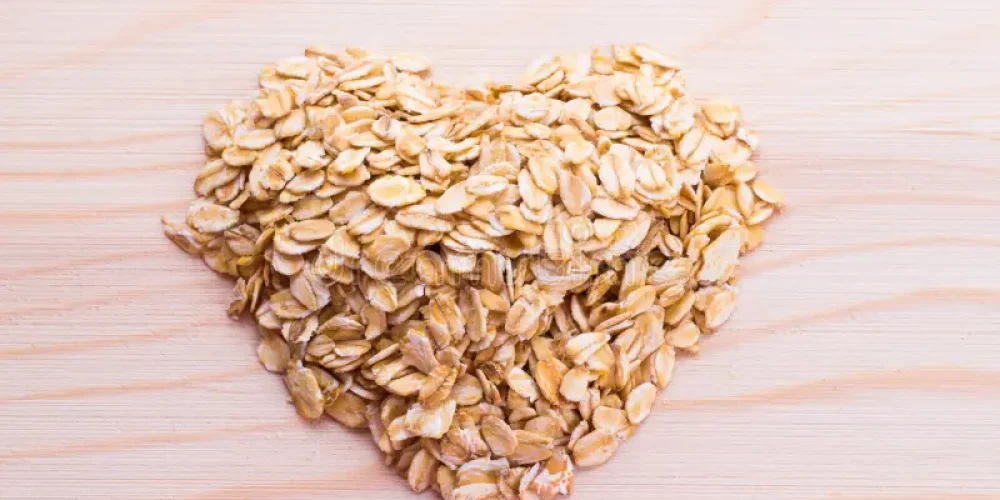
The study emphasizes that the type of oatmeal consumed matters for maximum health impact. Steel-cut or rolled oats contain higher amounts of intact fiber than highly processed instant varieties. Furthermore, the researchers cautioned against adding excessive sugar or saturated fats to the meal. Using fresh fruit or nuts as toppings can enhance the nutritional value without adding empty calories.
This research highlights the power of food as a preventative medicine. Lowering LDL cholesterol by even a small percentage can significantly decrease the likelihood of heart attacks. For many, starting a habit of two oatmeal days a week is a manageable first step. It provides a foundation for more expansive heart-healthy habits in the future.