

KEY POINTS
- A major clinical trial found that daily low-dose aspirin does not lower cancer risk for people over 70.
- Researchers observed no significant difference in cancer incidence between aspirin users and those taking a placebo.
- The findings suggest that long-term aspirin use may actually increase the risk of advanced cancer diagnosis in older populations.
A comprehensive new study has challenged long-standing beliefs about the benefits of aspirin for cancer prevention. Researchers conducted a massive clinical trial to determine if a daily low-dose regimen could protect older adults. The results indicate that this common medication does not provide the expected preventative effects for seniors.
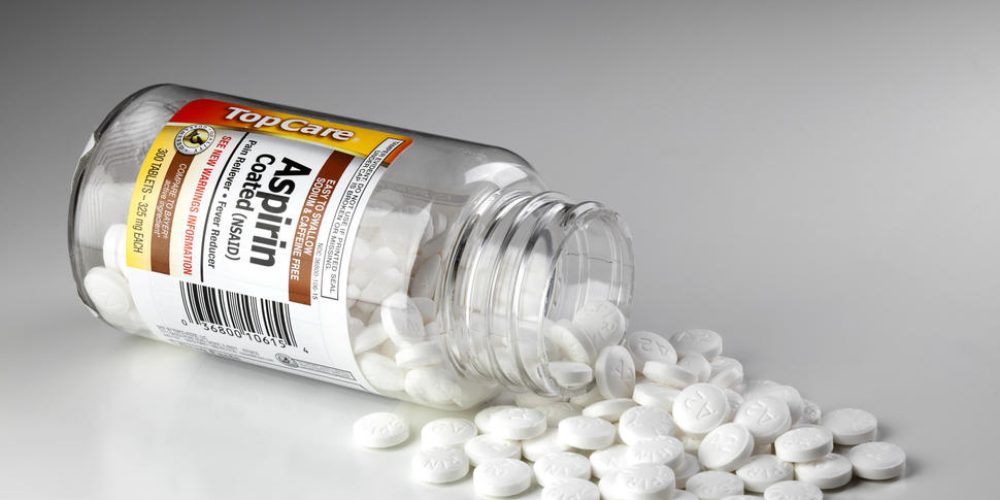
The trial involved nearly 20,000 healthy participants from Australia and the United States. Most participants were aged 70 or older at the start of the study. Half of the group received 100 milligrams of aspirin daily. The remaining half received a placebo pill for comparison.
Medical experts followed the participants for an average of nearly five years. They monitored for the development of various types of cancer during this period. The data showed that cancer occurred at nearly identical rates in both groups. This suggests that aspirin does not stop the initial formation of tumors in this age group.
Interestingly, the study revealed a potential downside for those taking the medication. Aspirin users showed a slightly higher rate of being diagnosed with advanced or metastatic cancers. These are cancers that have already spread to other parts of the body. This finding raised concerns among the research team regarding the drug’s impact on elderly patients.
Scientists believe that aspirin interacts differently with the bodies of older adults compared to younger people. Previous studies in younger populations had suggested some protective benefits against certain cancers. However, aging immune systems and changing metabolic processes may alter how the drug functions.
The research also highlighted the known risks associated with daily aspirin use. Bleeding in the stomach and brain remains a significant side effect for senior citizens. Since the drug failed to show a cancer-prevention benefit, the risk of bleeding may outweigh potential gains.
Doctors emphasize that patients should not make sudden changes to their medication. Those currently taking aspirin for heart conditions must consult their physician first. The drug remains a vital tool for preventing secondary heart attacks or strokes in specific cases.
This study adds to a growing body of evidence regarding personalized medicine for the elderly. What works for middle-aged adults does not always translate to those in their seventies or eighties. Regulatory bodies may use this data to update future screening and prevention guidelines.
Ongoing research will continue to investigate why aspirin impacts older adults differently. For now, the focus remains on finding safer and more effective ways to screen for cancer. Seniors are encouraged to rely on established screening methods rather than over-the-counter supplements.









