KEY POINTS
- President Trump warned Canada of a massive 100% tariff if the nation proceeds with a comprehensive trade agreement with China.
- The administration views any deepening of Canada-China ties as a direct threat to the integrity of North American trade and regional security.
- Canadian officials are now forced to navigate a delicate balance between expanding global market access and maintaining the vital U.S. partnership.
A major diplomatic rift has emerged between the United States and its northern neighbor following a stern warning from Washington. President Donald Trump publicly threatened to impose a 100% tariff on all Canadian imports. This escalation stems from reports that Canada is considering a significant trade arrangement with Beijing.
The White House insists that North American economic unity must remain the top priority for its allies. U.S. officials argue that allowing Chinese influence to expand through Canada could undermine domestic industries. The threat signals a return to a highly protectionist “America First” strategy regarding regional trade.
Canada relies heavily on the U.S. market for the vast majority of its exports. A 100% tariff would likely cause immediate and severe disruption to the Canadian economy. Industries ranging from automotive manufacturing to agriculture would face catastrophic costs if the administration follows through on its ultimatum.
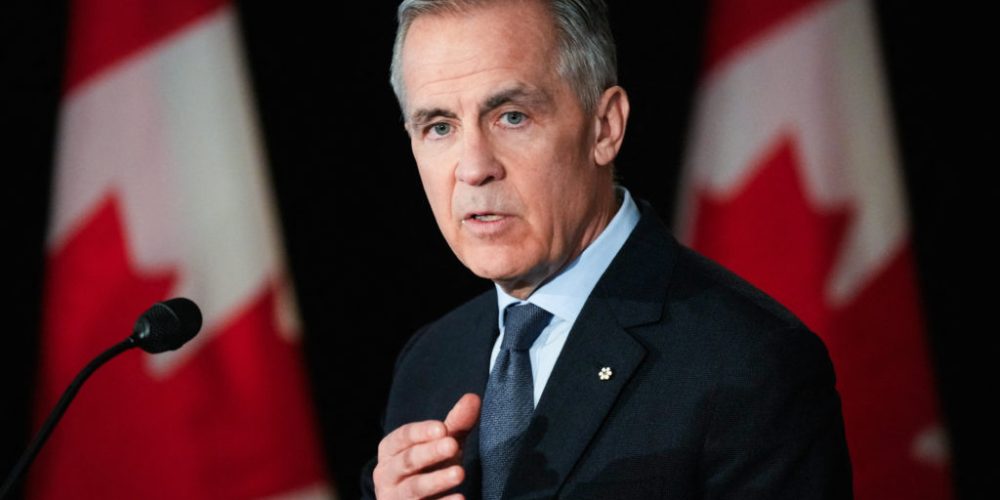
Canadian Prime Minister Mark Carney has attempted to downplay the severity of the negotiations with China. He recently clarified that any agreements would be limited in scope and would not compromise national security. However, these reassurances have so far failed to satisfy the demands of the Trump administration.
Tensions have been building as the U.S. pushes for a unified front against Chinese economic expansion. The administration sees Canada as a potential “backdoor” for Chinese goods to enter the American market. This latest threat is designed to force a definitive choice between Washington and Beijing.
Economists warn that such high tariffs could have significant blowback for American consumers. Supply chains for essential goods are deeply integrated across the border. If Canadian imports double in price overnight, U.S. manufacturers and shoppers will likely feel the financial sting through increased inflation.
The political atmosphere in Ottawa is increasingly tense as leaders debate their next move. Some officials argue for diversifying trade to reduce reliance on the U.S. market. Others believe that maintaining a smooth relationship with the Trump administration is the only viable path forward for economic stability.
As the deadline for a decision nears, the international community is watching closely. The outcome of this standoff will likely define the future of the USMCA agreement. For now, the threat of a 100% tariff remains a powerful tool in Washington’s diplomatic arsenal.