KEY POINTS
- Concorde remains the only commercial aircraft to sustain supersonic speeds over twice the speed of sound.
- The jet featured unique engineering solutions like a drooping nose and heat-reflective paint to handle extreme friction.
- High operating costs and environmental concerns eventually grounded the elite fleet after twenty-seven years of service.
Concorde remains a legendary icon of the skies decades after its final landing. This narrow jet represented a joint triumph for British and French engineering. It allowed passengers to cross the Atlantic faster than the rotation of the Earth. Travelers frequently arrived in New York earlier than they departed from London.
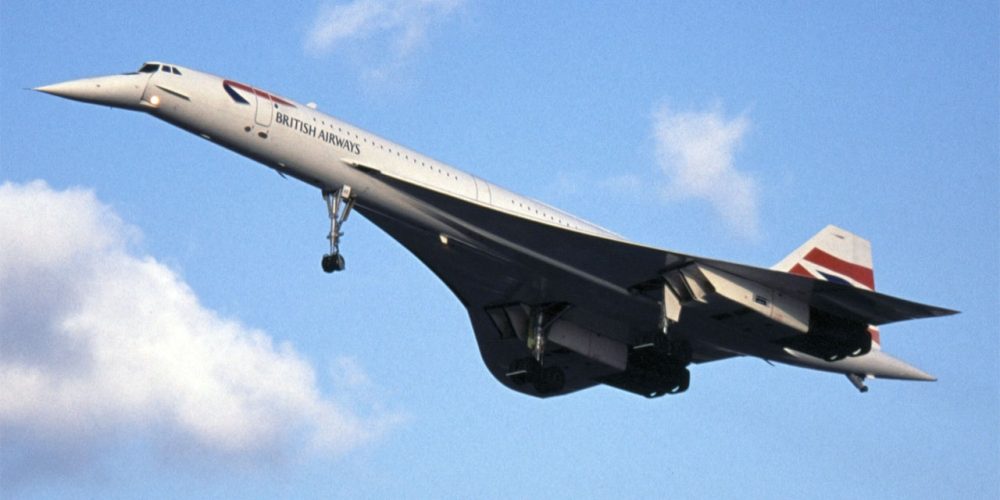
The aircraft achieved speeds exceeding 1,350 miles per hour during its peak years. This pace created immense friction against the outer fuselage of the jet. The heat caused the aircraft to stretch nearly ten inches during flight. Engineers used high-reflectivity white paint to manage these extreme temperature shifts.
One distinctive feature of the plane was its articulating nose cone. Pilots lowered the “droop nose” during takeoff and landing to improve visibility. It straightened during flight to maintain a perfectly aerodynamic shape. This design allowed the jet to cut through the air with minimal resistance.
Inside the cabin, the experience prioritized speed and prestige over traditional spaciousness. The passenger area felt more like a private jet than a commercial airliner. Elite travelers enjoyed fine dining and premium champagne while flying at 60,000 feet. At that altitude, passengers could clearly see the curvature of the planet.
Operating such a complex machine required immense financial resources and fuel. The four Rolls-Royce engines consumed over 5,600 gallons of fuel every hour. These high costs made tickets extremely expensive for the average traveler. Eventually, the fleet catered almost exclusively to the global wealthy and corporate executives.
Political and environmental hurdles also limited the success of the supersonic program. Many countries banned the jet from flying over land due to the sonic boom. This loud atmospheric shockwave restricted high-speed routes mostly to ocean crossings. These limitations prevented the aircraft from reaching its full commercial potential.
The tragic accident in Paris during the year 2000 signaled the beginning of the end. While engineers eventually fixed the safety issues, passenger confidence struggled to recover. A global downturn in the aviation industry further pressured the remaining fleet. British Airways and Air France retired the aircraft permanently in late 2003.
Today, the surviving jets reside in museums around the world as historic monuments. They serve as a reminder of a time when aviation focused on speed. Modern travel prioritizes fuel efficiency and passenger capacity over pure velocity. The dream of supersonic commercial travel remains a goal for future aerospace startups.