Key Points:
- A major train crash in Spain has halted core rail services, leaving thousands of passengers without transport options.
- Alternative travel costs have skyrocketed as bus tickets sell out and domestic flight prices reach record highs.
- Transport officials warn that repairs to the damaged infrastructure could take days to complete, extending the travel chaos.
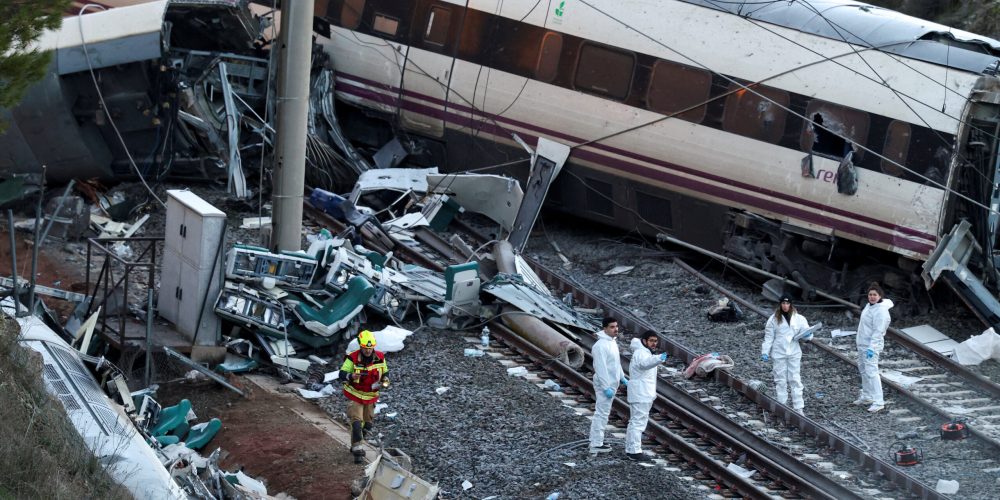
A severe train accident in Spain has triggered a widespread transport crisis across the nation. The derailment occurred on a primary line, effectively severing vital connections between major urban hubs. This incident has left thousands of daily commuters and international tourists completely stranded.
Emergency crews rushed to the scene to assist passengers and secure the area. Fortunately, early reports suggest that most travelers escaped without life-threatening injuries. However, the physical damage to the tracks and electrical overhead lines remains extensive and severe.
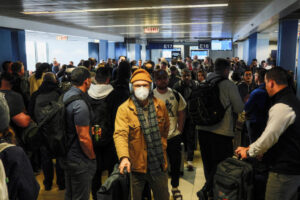
National rail operator Renfe immediately suspended all services on the affected route. This sudden closure sent a ripple effect through the entire Spanish transport infrastructure. Passengers gathered at stations only to find blank departure boards and locked gates.
The disruption forced travelers to seek alternative ways to reach their destinations. Many rushed to local bus terminals, hoping to secure seats on long-distance coaches. Within hours, almost every available bus ticket sold out across the region.
Car rental agencies also reported a massive surge in demand. Many travelers shared vehicles with strangers to split the mounting costs of fuel and tolls. The sudden influx of cars led to significant congestion on major highways heading out of the city.
Domestic airlines noticed the spike in desperate travelers and adjusted their prices accordingly. Some flight tickets between major cities now cost ten times their usual rate. Travelers expressed deep frustration at what they perceived as opportunistic price gouging during a national emergency.
Government officials have promised a full investigation into the cause of the crash. Initial theories suggest a potential mechanical failure or a localized track defect. Investigators are currently analyzing data from the train’s black box to find definitive answers.
The minister of transport addressed the public during a televised press conference. He urged citizens to avoid non-essential travel while crews work to clear the wreckage. He admitted that the complexity of the repairs means services will not resume immediately.
Local hotels near the train stations are currently operating at maximum capacity. Many stranded tourists had no choice but to book extra nights at premium rates. Some municipalities have opened temporary shelters for those who cannot afford sudden hotel expenses.
The economic impact of the rail shutdown grows with every passing hour. Business travelers have missed critical meetings, and freight shipments remain stalled in various depots. This incident highlights the extreme vulnerability of the country’s centralized rail network.
Engineers are working around the clock to restore at least partial service. They must replace several sections of warped track before any testing can begin. For now, the people of Spain must navigate a difficult and expensive period of travel uncertainty.