Key Points:
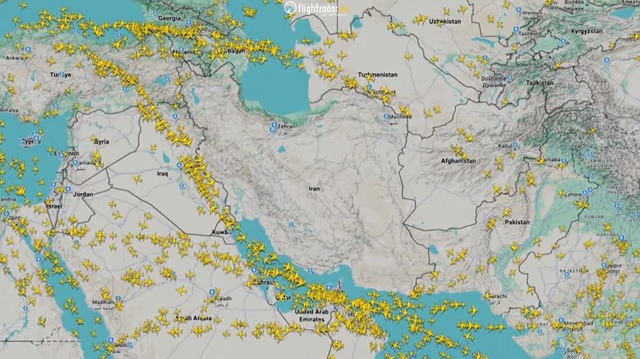
- Aviation authorities use real-time data to reroute thousands of flights instantly when international air corridors suddenly close.
- Major disruptions often trigger longer flight times and increased fuel consumption as planes avoid restricted zones.
- Passenger protections and airline communication tools remain vital during geopolitical shifts that impact global travel routes.
Navigating the modern skies requires a complex dance between technology and human expertise. Aviation safety remains the top priority for international regulators when political or natural events force airspace closures. These sudden changes require immediate coordination between pilots, dispatchers, and air traffic controllers worldwide.
International law dictates how countries manage their skies. When a specific zone becomes dangerous, authorities issue formal notices to all airlines. This system ensures that no commercial aircraft enters a high-risk area. Safety protocols rely on constant communication and high-tech tracking systems.
Airlines maintain dedicated operations centers to monitor global events 24 hours a day. These teams act quickly to find alternative paths for planes already in the air. This rapid response prevents chaos and keeps the global transport network moving safely.
Rerouting a flight is not a simple task for any carrier. Longer paths often mean aircraft must carry significantly more fuel. This change can impact the weight of the plane and sometimes requires a reduction in passenger numbers or cargo.
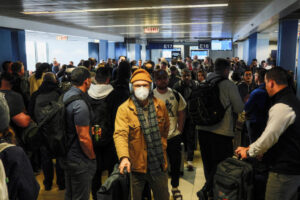
Travelers often feel the effects of these shifts through increased flight durations. Avoiding restricted airspace can add several hours to a long-haul journey. These extensions often disrupt connecting flights and crew schedules at major international hubs.
Geopolitical instability remains a primary driver for recent sky closures across several continents. Modern conflicts force airlines to bypass traditional corridors that have served the industry for decades. These changes often become permanent features of the global flight map.
Operational costs rise when airlines must avoid efficient great-circle routes. Higher fuel usage contributes to increased carbon emissions and puts pressure on ticket prices. The industry continues to seek more efficient ways to navigate around restricted zones.
Passengers have specific rights when their travel plans face sudden changes. Most jurisdictions require airlines to provide assistance or rebooking options during significant delays. Understanding these protections helps travelers manage the stress of unexpected itinerary shifts.
Technology helps bridge the gap during these periods of high uncertainty. Many airlines now offer real-time updates through mobile apps to keep passengers informed. Clear communication helps manage expectations when a flight must take a longer, safer path.
The future of aviation will likely involve even more dynamic routing systems. Experts are developing AI tools to predict potential disruptions before they occur. These advancements aim to minimize delays while maintaining the highest levels of safety.
Global cooperation remains essential for keeping the skies open and secure. Aviation groups work together to standardize responses to airspace emergencies. This collective effort ensures that travelers can reach their destinations regardless of challenges on the ground.