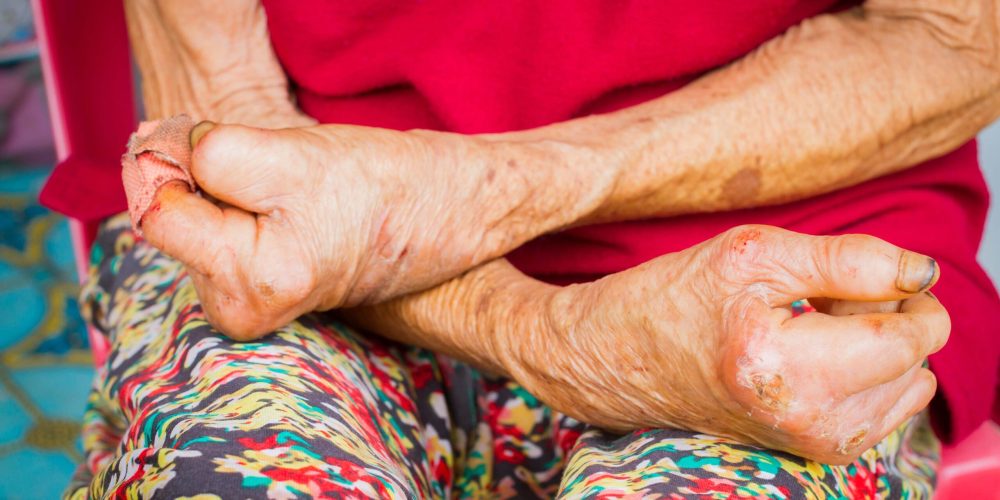
Key Points:
- The World Health Organization launched an intensified roadmap to eliminate leprosy transmission through expanded global partnerships.
- Recent breakthroughs in preventive chemotherapy and rapid diagnostic tools offer fresh hope for vulnerable communities.
- Health officials emphasize that ending social stigma remains critical to ensuring patients seek early life-saving treatment.
The World Health Organization has reaffirmed its unwavering goal to create a world completely free from leprosy. This renewed pledge comes just ahead of World Leprosy Day. Global health leaders are calling for increased investment to finish the job once and for all.
Leprosy remains a neglected tropical disease that affects thousands of people every year. However, modern medicine can cure this ancient illness effectively. Health officials believe that total elimination is now within our reach if countries cooperate closely.
The new strategy focuses on interrupting the transmission of the bacteria. Success requires a combination of political will and sustainable funding from international donors. Strengthening local health systems ensures that no patient falls through the cracks.
Global experts highlight the importance of early detection to prevent permanent disability. New diagnostic tests allow doctors to identify the disease much faster than before. Rapid intervention stops the spread within households and protects entire neighborhoods.
Preventive treatment for those in close contact with patients shows great promise. Distributing a single dose of medication can significantly lower the risk of new infections. This proactive approach changes the landscape of disease control in high-burden regions.
The organization also points to the vital role of private and public partnerships. Pharmaceutical companies continue to donate the necessary multi-drug therapies to those in need. These collaborations have already saved millions of people from severe physical impairments.
Despite medical progress, social challenges continue to hinder global elimination efforts. Many individuals hide their symptoms because they fear being shunned by their communities. Stigma often prevents people from accessing the free healthcare services available to them.
Advocates stress that leprosy is not highly infectious and is easily treatable. Education campaigns aim to dispel myths and encourage people to support those affected. Human rights must stay at the center of every national health policy.
The 2030 roadmap sets ambitious targets for reducing new cases worldwide. Leaders want to see a significant drop in child diagnoses specifically. Protecting the next generation remains a top priority for the global health community.
Innovation plays a central role in the current push for eradication. Digital tools now help workers track cases in remote and hard-to-reach areas. Improved data collection allows for a more efficient distribution of medical resources.
Final victory over this disease requires a final, collective push from all sectors. World Leprosy Day serves as a reminder that we cannot become complacent. With continued focus, the dream of a leprosy-free world will soon become a reality.