Key Takeaways
• JPMorgan CEO Jamie Dimon says a proposed 10% limit on credit card interest rates could harm credit access.
• Dimon warns the plan might cut off credit for about 80% of Americans and disrupt the broader economy.
• Banks and industry leaders oppose the cap, saying it would require legislation and likely won’t pass soon.
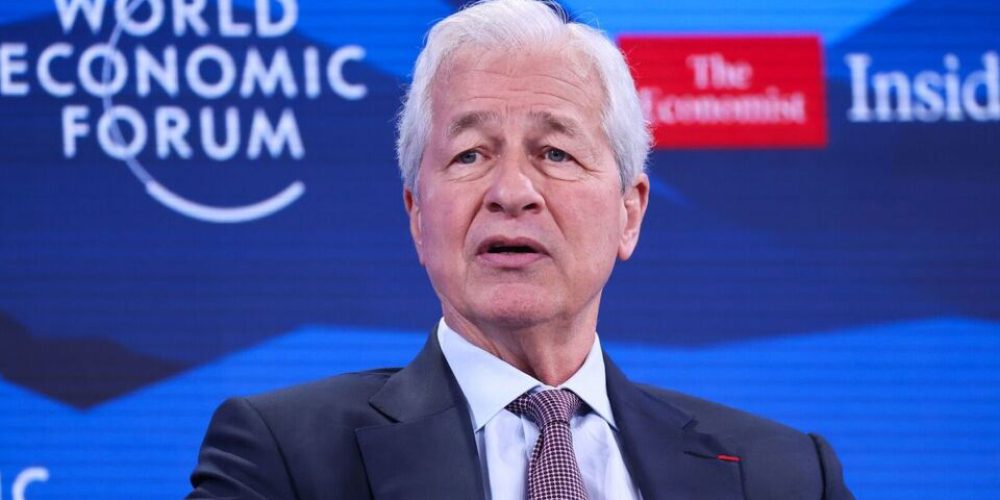
JPMorgan Chase’s chief executive delivered a stark warning about President Donald Trump’s recent proposal to cap credit card interest rates at 10%. At the World Economic Forum in Davos, Jamie Dimon called the idea an “economic disaster,” saying it could severely limit access to credit for most Americans.
Trump has renewed his push for a one-year cap on credit card interest, aiming to relieve consumers burdened by rising debt and high annual percentage rates. The plan has drawn attention ahead of key congressional elections, though details on implementation remain scarce.
Dimon argued that banks might survive a rate cap, but consumers and small businesses would feel the fallout first. He stressed that drastic cuts to credit availability could affect everyday spending and financial flexibility.
He warned that around 80% of Americans could lose access to credit if the cap were enacted, calling credit cards “back-up credit” for many households. Without adequate interest income, lenders might withdraw card products or tighten lending standards.
Industry leaders reacted quickly to Trump’s proposal. Banking associations and executives argue a mandated interest limit would disrupt the market and lead to reduced credit card offerings. Many lenders say the policy could hurt lower-income borrowers the most.
Dimon’s comments echoed broader concerns among financial institutions that a 10% cap would change how credit markets operate. Banks rely on interest revenues to offset the risks of unsecured lending, and price controls could force widespread restructuring of products and services.
At Davos, Dimon even proposed a hypothetical test of the idea by requiring it first in two U.S. states. His suggestion drew laughs from the audience but highlighted the uncharted implications of such regulation.
Trump’s interest cap plan has roots in long-standing calls from consumer advocates and some legislators who argue credit card companies charge excessive rates. Supporters say a cap could save households billions in interest charges annually.
Yet the banking sector’s response has been largely critical. Executives from major lenders including JPMorgan and Citigroup have voiced concerns that limiting rates would reduce credit limits, eliminate rewards programs, and increase fees for cardholders.
Despite Trump’s public backing, analysts say the proposal faces an uphill battle in Congress. Lawmakers from both parties remain divided on how best to help consumers without damaging financial markets. Any legislative effort would likely encounter intense debate in both chambers.
Wall Street markets reacted to the debate, with some bank stocks showing volatility as investors evaluated the potential impact of rate controls. Financial analysts emphasize that while consumer debt relief is a policy goal, forcing price limits may produce unintended consequences.
Economists also warn of broader effects. Reduced credit card access could ripple into sectors dependent on consumer spending, such as retail, hospitality, and travel, potentially slowing economic growth.
Dimon’s remarks underscore tensions between efforts to address consumer affordability and the structural realities of the credit industry. While he supports affordability for borrowers, he maintains that artificial price ceilings risk destabilizing credit markets.
Some experts suggest alternative approaches, like targeted relief programs or enhanced regulatory oversight, might achieve consumer protection without imposing rigid caps. These could balance market stability with affordability goals.
For millions of Americans who rely on credit cards for daily expenses and emergency funds, the outcome of this debate could have significant financial implications. As discussions continue in Washington and on Capitol Hill, stakeholders from business and government will weigh both economic risks and social benefits.
The conflict over the credit card interest cap plan reflects larger policy debates as the U.S. approaches key elections. Voters and lawmakers alike are watching to see how proposals to reshape financial rules will influence household finances and market dynamics in the months ahead.