Key Points:
- Research suggests that active individuals aiming for muscle growth should consume between 1.6 and 2.2 grams of protein per kilogram of body weight daily.
- Timing remains a secondary factor compared to total daily intake, though distributing protein across multiple meals enhances absorption.
- Excessive protein consumption beyond recommended levels does not provide additional muscle-building benefits and may strain the kidneys over time.
The quest for physical strength often leads people to consume massive amounts of protein shakes and supplements. However, recent physiological studies indicate that the body has a specific limit for processing these nutrients. Experts now emphasize quality and consistency over sheer volume to achieve sustainable results.
Muscle growth occurs when the body creates new proteins faster than it breaks them down. This process requires a steady supply of essential amino acids found in high-quality food sources. Without adequate intake, the body cannot repair the microscopic tears caused by resistance training.
Current health guidelines suggest a baseline intake for sedentary adults is relatively low. However, those engaging in regular strength training require significantly more to support tissue repair. Most experts agree that 1.6 grams per kilogram of body weight serves as an ideal starting point.
Exceeding 2.2 grams per kilogram rarely yields extra muscle mass for the average person. The body simply oxidizes the excess protein for energy or stores it as fat. This finding challenges the common gym culture that promotes unlimited protein consumption for all athletes.
Meal distribution plays a vital role in how the body utilizes these nutrients throughout the day. Consuming 20 to 40 grams of protein every three to four hours keeps muscle synthesis elevated. This approach proves more effective than eating one massive protein-heavy meal in the evening.
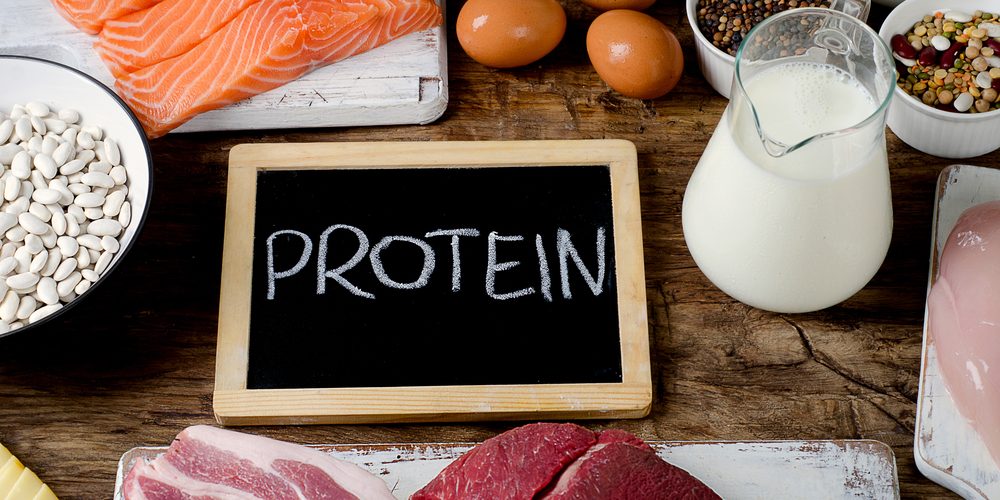
Leucine stands out as the most critical amino acid for triggering the muscle-building switch. Foods rich in leucine, such as dairy, eggs, and lean meats, provide the best biological value. Plant-based athletes can achieve similar results by combining different protein sources like beans and rice.
Total caloric intake also influences how efficiently the body uses protein for muscle repair. If an individual eats too few calories, the body burns protein for fuel instead of building tissue. Maintaining a slight caloric surplus ensures that protein remains available for its primary structural purposes.
Age and sex also factor into these nutritional requirements for optimal health. Older adults often need slightly more protein to combat natural age-related muscle loss. Their bodies become less efficient at processing amino acids, requiring a more deliberate dietary focus.
While supplements offer convenience, whole foods provide a broader spectrum of micronutrients and fiber. Dietitians recommend sourcing the majority of daily protein from diverse, unprocessed ingredients. This strategy supports gut health and long-term wellness alongside physical performance goals.
Consistency remains the most important element of any successful nutritional strategy. Occasional high-protein days cannot compensate for a week of poor nutrition and inadequate recovery. Long-term progress relies on a balanced habit of training, eating, and sleeping well every day.