Key Points:
- Travel advocates strongly support a new White House executive order designed to improve the international visitor experience.
- Federal agencies will focus on reducing visa wait times and accelerating airport security processing for global sports fans.
- The initiative seeks to maximize the economic impact of the World Cup while ensuring seamless cross-border travel.
The U.S. Travel Association recently voiced strong approval for the latest federal actions regarding international sporting events. The White House is moving to ensure that the United States remains competitive and welcoming for global travelers. Industry experts view these new directives as a vital step for the country’s economic and cultural future.
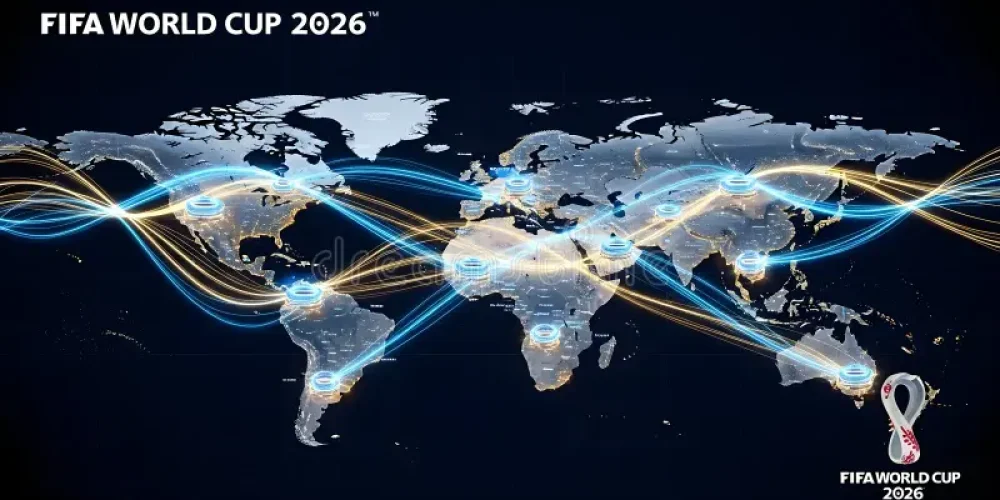
The upcoming FIFA World Cup presents a unique opportunity to showcase American hospitality on a massive scale. Millions of visitors from every continent will descend upon U.S. cities to support their national teams. Without efficient federal systems, the influx of travelers could overwhelm existing ports of entry and visa offices.
A primary focus of the new government strategy involves lowering the time required to obtain visitor visas. Currently, long delays in certain regions discourage potential tourists from booking their trips to the United States. Reducing these backlogs ensures that fans can plan their journeys with confidence and certainty.
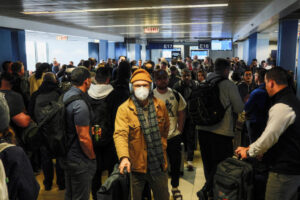
Security remains a top priority, but officials want to make the process much smoother for legitimate travelers. Federal agencies are looking for ways to integrate technology that speeds up customs and border protection. This balanced approach protects the nation while removing unnecessary friction from the travel experience.
The economic stakes are incredibly high for the 16 host cities across the United States. Local businesses, hotels, and restaurants depend on a steady flow of international visitors to drive revenue. Successful travel facilitation could inject billions of dollars into regional economies during the tournament.
Travel leaders argue that the benefits of these improvements will last far beyond the final championship match. Upgrading the nation’s entry systems builds a foundation for future growth in the global tourism market. This momentum helps the U.S. compete with other nations for lucrative international conventions and sporting events.
The executive order also encourages collaboration between various government departments and private sector partners. By working together, these groups can identify specific pain points in the current travel journey. This unified front sends a clear message that the United States is open for business and sports.
Modernizing the arrivals process also reflects a commitment to a more sustainable and tech-forward travel industry. Biometric upgrades and digital processing can reduce physical paperwork and long lines at airports. These innovations create a more pleasant first impression for those visiting American shores for the first time.
The U.S. Travel Association believes that consistent federal leadership is essential for large-scale event success. They emphasize that the World Cup is a defining moment for the American brand on the global stage. Ensuring a positive experience for every fan helps build long-term international goodwill.
As the tournament approaches, all eyes will be on the implementation of these new travel protocols. Advocates remain optimistic that the federal government will meet the challenge of this historic event. The goal remains simple: deliver a world-class experience for the world’s most passionate sports fans.