Key Points:
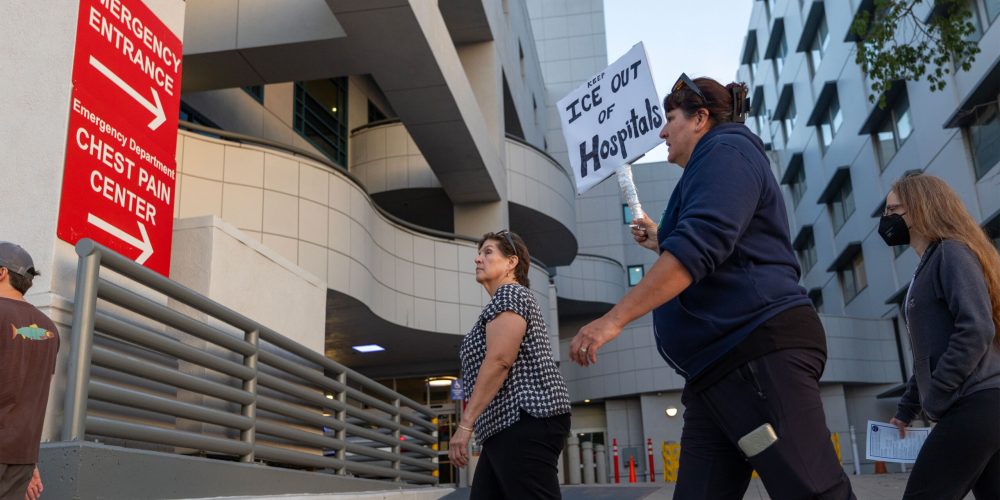
- Increased presence of enforcement agents near medical centers has caused a significant drop in patient attendance for essential treatments.
- Clinic administrators are implementing strict new protocols to ensure that law enforcement cannot access patient areas without valid warrants.
- Medical ethics experts warn that fear of deportation prevents thousands from seeking care for chronic conditions and infectious diseases.
The landscape of community healthcare is shifting rapidly as federal immigration policies become more visible in daily life. Medical professionals report that a sense of fear now permeates many waiting rooms. This tension complicates the delivery of basic services like prenatal care and childhood vaccinations.
Clinics often find themselves in a difficult legal position when enforcement agents arrive on their property. Administrators must understand the nuances of sensitive location policies that theoretically limit arrests at hospitals. However, the interpretation of these rules varies significantly between different regions and agencies.
Many facilities now offer legal training to their front-desk staff and security personnel. These employees learn how to handle requests for information without violating federal privacy laws like HIPAA. Protecting the sanctity of the exam room is now a core part of clinic management.
Patient trust remains the most fragile element in this complex environment. When families see enforcement vehicles in clinic parking lots, they often skip vital follow-up appointments. This trend leads to higher rates of untreated illness and increased pressure on emergency departments.
Doctors notice that patients are becoming more hesitant to share accurate contact information or family histories. This lack of transparency can lead to medical errors or incomplete treatment plans. Clear communication is essential for health outcomes, yet it is currently under constant threat.
Public health officials worry about the wider implications of this growing care gap. Untreated communicable diseases do not respect legal boundaries or immigration status. A decline in community health ultimately impacts the safety and well-being of the entire general population.
In response, some clinics have moved services to mobile units or telehealth platforms. These methods provide a layer of anonymity and safety for those who fear visiting a stationary facility. However, digital barriers and limited resources often restrict the reach of these alternative solutions.
Advocacy groups are calling for clearer federal guidelines to designate all medical sites as safe zones. They argue that healthcare is a fundamental human right that should exist outside of political debates. Without these protections, the mission of community medicine remains in serious jeopardy.
Clinics also face internal morale issues as providers witness the distress of their long-term patients. Many doctors entered the field to help the underserved but now feel like they are operating in a conflict zone. This emotional toll contributes to high burnout rates among safety-net healthcare workers.
The future of these clinics depends on their ability to maintain community trust through transparent policies. They must continue to serve as beacons of health in an increasingly divided social climate. The struggle to provide care amidst enforcement is now a defining feature of modern American medicine.