Key Points
- Meta unveiled Meta Compute, an initiative to build tens to hundreds of gigawatts of AI computing infrastructure over time.
- The effort involves global data center expansion, new executive leadership roles and strategic partnerships for power and supply.
- Energy partnerships, including significant nuclear power deals, aim to secure reliable power for massive future data center demand.
Meta Platforms announced a major new initiative called Meta Compute aimed at dramatically expanding its computing infrastructure to support artificial intelligence research and services. CEO Mark Zuckerberg said the company plans to build tens of gigawatts of computing capacity this decade and eventually hundreds of gigawatts over time, reflecting the massive energy and hardware demands of next-generation AI models and data processing. The effort aligns with Meta’s long-term strategy to compete in a landscape where large-scale computing power has become a key advantage for tech giants.
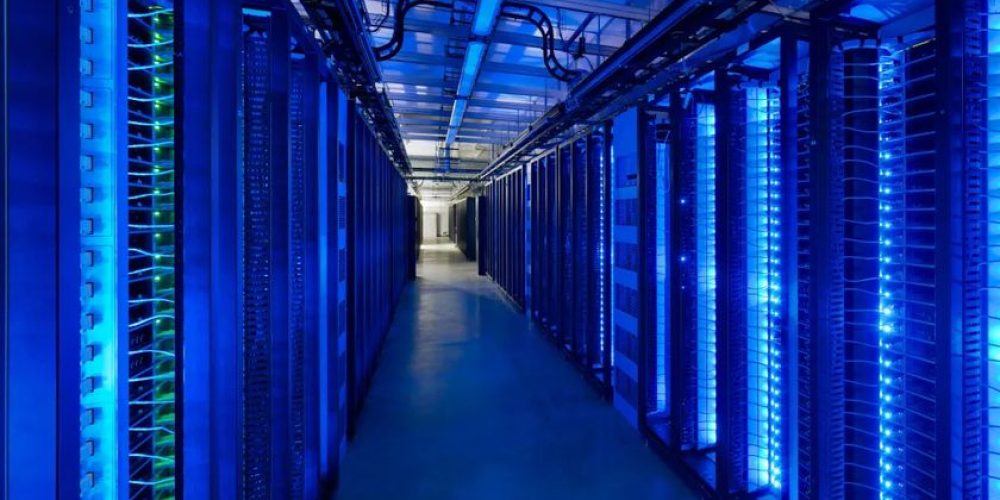
Meta Compute will focus on constructing and coordinating advanced data centers and the underlying infrastructure needed to handle rapid increases in AI workloads. The company is appointing key executives to lead the project, including Santosh Janardhan, who continues overseeing technical infrastructure, and Daniel Gross, who will direct long-term capacity planning and strategic supplier partnerships. These leaders are tasked with ensuring the initiative meets Meta’s ambitious scale and performance goals.
The initiative also reflects Meta’s broader push into what it calls “personal superintelligence,” a vision in which AI systems achieve reasoning and capabilities that exceed human levels. Zuckerberg has underscored the need for robust computing infrastructure to power these advanced AI ambitions, which require massive parallel processing and sustained energy input. As part of this build-out, Meta is reportedly exploring energy partnerships, including long-term agreements that could secure reliable power for its data centers.
Meta Compute comes amid an industry-wide acceleration in AI infrastructure investment. Firms like Nvidia, Microsoft and Google have all announced expansive data center and AI semiconductor plans in recent years, reflecting competition for computing capacity and cloud dominance. These moves are driven by skyrocketing demand for AI training and inference workloads, which require both advanced chips and enormous electricity resources.
The power scale envisioned for Meta’s computing infrastructure is significant, comparable to grid-level electricity use in small regions. For example, one gigawatt is roughly the output of a major power plant and can support the energy needs of hundreds of thousands of homes. Meta’s plan to scale to “hundreds of gigawatts” suggests long-term data center growth across multiple continents.
To support these infrastructure ambitions, Meta has been making strategic executive moves. The company recently appointed Dina Powell McCormick as president and vice chair, a role that includes overseeing partnerships with governments and potential financing arrangements for infrastructure projects tied to AI expansion. This leadership addition signals Meta’s intent to align corporate strategy with public-sector engagement and investment objectives.
Meta’s infrastructure ambitions also intersect with energy strategy. The company has secured deals for substantial nuclear power capacity to help power its data centers without adding undue strain on local grids or increasing carbon emissions. These energy partnerships could prove essential as Meta scales computing facilities capable of consuming gigawatts of power.
While Meta has committed significant capital toward infrastructure, investors remain attentive to how these long-term projects translate into financial returns. Building and operating large AI data centers is capital-intensive and carries risks associated with timing, energy accessibility and market demand. Nonetheless, Meta’s leadership views these investments as critical to sustaining competitiveness amid rapid AI adoption.
The launch of Meta Compute marks a clear milestone in Meta’s transition from a social media platform to a technology powerhouse deeply invested in AI innovation at scale. As demand for advanced artificial intelligence grows across industries, the initiative may not only redefine Meta’s operational footprint but also influence broader infrastructure investments across the tech sector.