Key Points
- Global stocks and U.S. equity futures weakened as investors reacted to political pressure on the Federal Reserve and legal threats involving Fed Chair Powell, fueling uncertainty.
- The dollar eased, while gold hit record highs above $4,600 an ounce, showing strong safe-haven demand amidst market stress and geopolitical tensions.
- Currencies in emerging markets, such as the Indian rupee, remained under pressure, and investors eyed key economic data for further market direction signals.
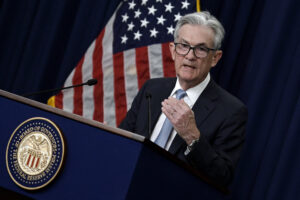
Global financial markets wavered on Monday as investors digested escalating political pressure on the U.S. Federal Reserve and legal threats involving Fed Chair Jerome Powell. Stocks fell and U.S. equity futures weakened after worries grew that political interference could undermine central bank independence and influence monetary policy decisions this year, adding uncertainty to an already fragile start for 2026.
The U.S. dollar weakened against major currencies, dipping below key levels against the euro and yen, as traders sought safety elsewhere and reassessed interest rate expectations. Treasury futures edged lower, while gold surged to record highs above $4,600 an ounce, reflecting strong safe-haven demand amid market jitters and geopolitical tensions.
Asian and European equity futures also showed caution, with sentiment subdued ahead of key economic data releases that could shape central bank policy outlooks in the coming days. Analysts noted that investors are watching inflation figures, employment reports and further developments in U.S. monetary policy rhetoric for clues on future market direction.
Emerging market assets, including the Indian rupee, reflected broader risk aversion, with the rupee hovering near record lows against major peers as weak equity performance and external pressures weighed on sentiment. Traders cited falling foreign inflows and geopolitical concerns as contributing factors to currency stress in regional markets.
Oil prices showed modest strength amid worries about supply disruptions linked to unrest in the Middle East, though the overall global commodity complex remained mixed as traders balanced regional risks against expectations of higher 2026 oil supply.
Investors also continued to price in the possibility of future U.S. interest rate cuts, with some markets anticipating a more dovish stance should political pressure influence Federal Reserve leadership decisions. However, uncertainty about central bank independence and policy timing kept risk appetite muted, with capital flows tilting toward safer assets like gold and government bonds.
Market watchers highlighted the importance of upcoming economic indicators, including Chinese trade data and U.S. inflation figures, which may provide clarity on growth prospects and monetary policy direction. The evolving narrative on political risk, central bank autonomy and macroeconomic trends will likely remain key drivers of market volatility throughout the first quarter of 2026.