Key Takeaways:
- Tour guides on Mount Etna are on strike to protest new rules that ban night tours and limit lava proximity.
- Local authorities in Catania now require a 200-meter safety buffer and use drones to enforce small group sizes.
- The strike follows recent eruptions, with guides arguing that their professional expertise is being ignored by bureaucrats.
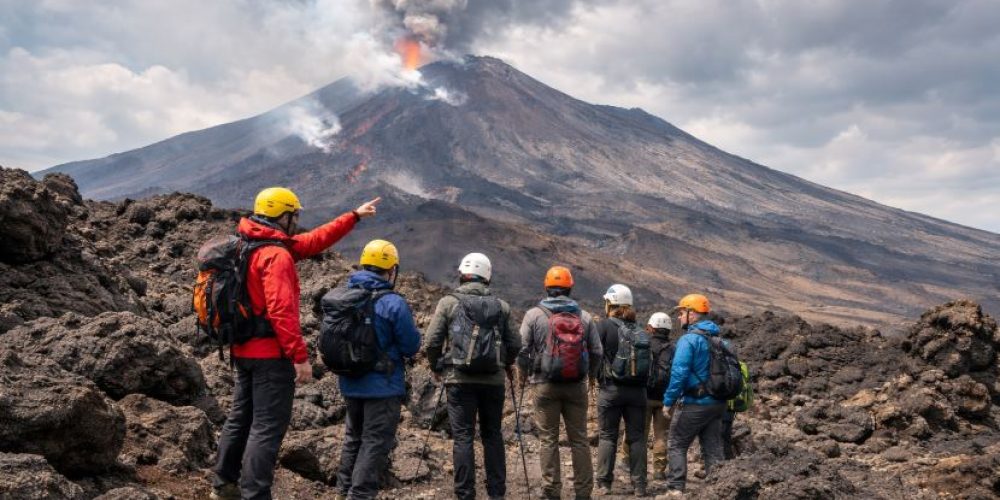
Official tour guides on Mount Etna have launched a historic strike following the introduction of stringent new safety regulations by local authorities. The protests began this week after the city of Catania implemented tough restrictions in response to renewed volcanic activity that started on Christmas Eve. These measures have effectively halted some of the volcano’s most popular tourist experiences.
The new rules strictly prohibit any excursions on the volcano after dusk. This ban eliminates the famous night-time tours where visitors previously watched glowing lava flows against the dark sky. Additionally, guides and tourists must now remain at least 200 meters away from any active lava fronts. These limitations have sparked deep frustration among local professionals.
Authorities are also vigorously enforcing a cap of ten people per tour group. Forestry police and advanced drones now monitor the slopes to ensure total compliance with these mandates. On Tuesday night alone, officials reported 21 cases of non-compliance as they tightened their grip on the mountain. Guides argue these methods treat their expertise as a secondary concern.
Dozens of licensed guides demonstrated on Wednesday at the main lava flow gates to voice their opposition. They contend that the current lava flows move slowly enough to be safely observed from closer distances. The guides’ regional board released a statement claiming the new rules nullify their professional skills and responsibilities. They believe their decades of experience should carry more weight in safety decisions.
Mount Etna is Europe’s most active volcano and a primary driver for Sicily’s tourism economy. The current eruption, while ongoing, involves lava fronts that volcanologists say are cooling and no longer advancing. Despite this, officials maintain that the strict exclusion zones are necessary to prevent accidents during unpredictable eruptive phases.
The strike has left thousands of tourists disappointed as their pre-booked excursions face immediate cancellation. Many visitors travel from across the globe specifically for the “live lava” experience that is now off-limits. Industry experts worry that prolonged restrictions could harm the region’s hospitality sector during a critical booking window.
The guides are currently calling for a negotiated framework with Catania officials. They hope to move toward a dynamic zoning system that adjusts access based on real-time volcanic data. Until a compromise is reached, the strike is expected to continue, leaving the slopes of Europe‘s giant unusually quiet.