Key Points:
- Jaguar Land Rover reported a steep fall in third-quarter wholesale volumes after a cyber-related production disruption.
- The incident affected manufacturing systems, forcing temporary output cuts at key facilities.
- The setback highlights growing cyber risks for global automakers and complex supply chains.
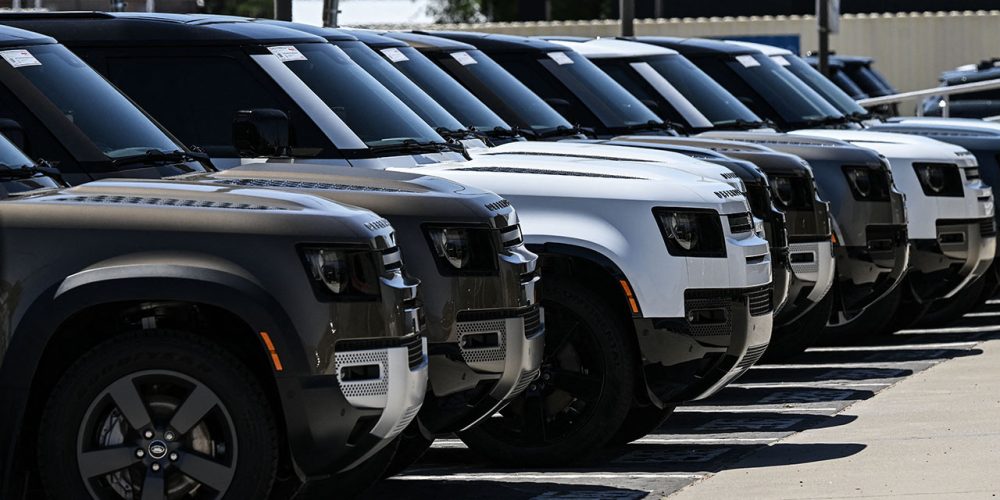
Jaguar Land Rover faced a significant operational setback in its latest quarter after a cyber incident disrupted production. The British luxury carmaker reported a sharp decline in wholesale vehicle volumes during the third quarter. The drop reflected the direct impact of halted manufacturing and delayed deliveries across key markets.
According to company disclosures, wholesale volumes fell by more than forty percent compared with the same period last year. The decline followed a cyber-related disruption that temporarily affected internal systems supporting production. Although the company avoided detailing the technical nature of the incident, it confirmed the event limited output during the quarter.
The disruption affected Jaguar Land Rover’s ability to manufacture and ship vehicles on schedule. Production interruptions often create ripple effects across automotive supply chains, where timing remains critical. Even short system outages can delay parts sourcing, assembly, and final distribution, amplifying financial and operational consequences.
Jaguar Land Rover stated it acted quickly to contain the issue and restore systems. Production gradually resumed once safeguards were implemented. However, the lost output during the quarter could not be fully recovered, contributing to the sharp decline in wholesale volumes reported in financial updates.
The company operates in a highly competitive global auto market where consistency remains vital. Premium brands depend on steady deliveries to dealerships to maintain sales momentum and customer confidence. Any disruption risks lost orders, longer waiting periods, and increased pressure on dealer networks.
Cybersecurity threats increasingly challenge industrial manufacturers, not just technology firms. Modern vehicle production relies on interconnected digital systems controlling inventory, robotics, and logistics. A single breach or system failure can force factories offline, exposing vulnerabilities across operations.
Jaguar Land Rover’s experience underscores how cyber incidents now rank among major business risks. Automakers invest heavily in digital transformation to improve efficiency, yet this progress expands the attack surface. The incident highlights the importance of resilient systems and rapid response planning across global operations.
The timing of the disruption proved especially difficult as automakers face broader pressures. Slowing global demand, supply chain adjustments, and rising costs already strain margins. An unexpected cyber incident compounds these challenges, limiting flexibility during critical production periods.
Despite the setback, Jaguar Land Rover emphasized ongoing recovery efforts. The company continues to focus on restoring normal production levels and meeting future delivery targets. Management expects volumes to improve once operations stabilize and system resilience strengthens.
Industry analysts view the incident as a warning sign for manufacturers worldwide. Cyber risks no longer represent distant threats but immediate operational hazards. Companies now prioritize stronger defenses, employee awareness, and backup systems to reduce exposure and downtime.
For Jaguar Land Rover, the third-quarter decline marks a temporary but costly disruption. The company’s ability to rebound depends on maintaining system security and operational continuity. As cyber threats evolve, automakers increasingly treat digital resilience as essential to long-term performance.