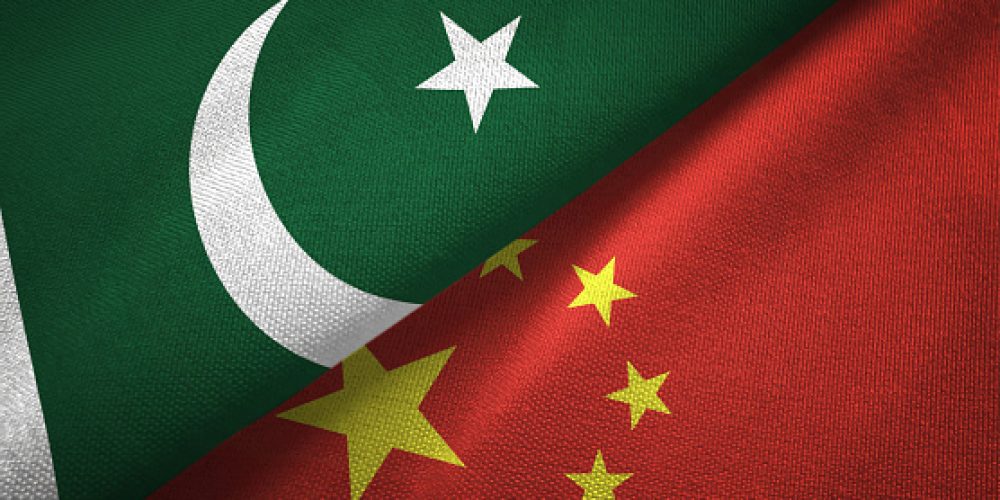
Key Points:
- China and Pakistan reaffirmed their long-standing strategic relationship amid shifting regional diplomacy.
- The move comes as Pakistan increases outreach to the United States and other global partners.
- Both sides emphasized cooperation on security, development, and regional stability.
China and Pakistan have publicly reinforced their close strategic partnership at a time of evolving regional diplomacy. Senior officials from both countries stressed that their bilateral relationship remains firm and resilient. The renewed messaging came as Pakistan deepens diplomatic engagement with the United States, signaling a more balanced foreign policy approach.
During recent high-level exchanges, Chinese leaders reiterated their commitment to Pakistan’s stability and development. Officials described the relationship as a cornerstone of regional cooperation. They emphasized that mutual trust and shared interests continue to guide policy decisions, regardless of Pakistan’s expanding global diplomatic contacts.
Pakistan, for its part, affirmed that its ties with China remain central to its foreign policy. Islamabad highlighted long-standing cooperation in infrastructure, trade, and security. Leaders framed the relationship as enduring and independent of Pakistan’s efforts to improve relations with other global powers.
The diplomatic reaffirmation comes as Pakistan seeks to repair and strengthen relations with Washington. U.S. outreach has increased in recent months, focusing on economic support, regional security, and counterterrorism cooperation. This renewed engagement has prompted questions about how Pakistan balances its partnerships with both China and the United States.
Chinese officials addressed these concerns by emphasizing that Beijing respects Pakistan’s sovereign right to pursue diverse diplomatic relationships. They stated that China does not view Pakistan’s engagement with the United States as a threat. Instead, they portrayed regional cooperation as beneficial when it supports stability and economic growth.
Security cooperation featured prominently in the discussions. Both countries highlighted shared concerns about regional instability, extremism, and cross-border threats. They agreed to continue close coordination on defense and intelligence matters, underscoring the strategic depth of their partnership.
Economic cooperation also remained a focal point. China reaffirmed support for development initiatives in Pakistan, including infrastructure investment and trade facilitation. Officials noted that economic stability in Pakistan benefits the wider region and aligns with China’s long-term strategic interests.
Analysts view the reaffirmation as a calculated diplomatic signal. China aims to preserve its influence in Pakistan while acknowledging Islamabad’s need to diversify international relationships. The messaging suggests Beijing prefers reassurance over confrontation as regional alliances evolve.
For Pakistan, maintaining strong ties with China while reengaging the United States reflects pragmatic diplomacy. Islamabad faces economic challenges and regional security pressures that require broad international support. Leaders appear determined to avoid choosing sides between major powers.
The renewed emphasis on China-Pakistan ties also carries regional implications. Neighboring countries monitor how Pakistan navigates its relationships with competing global actors. Stability in South Asia often depends on how major powers coordinate or compete through regional partners.
Overall, the latest statements underscore continuity rather than change. China and Pakistan signaled that their partnership remains a constant in a shifting diplomatic landscape. As Pakistan expands its global outreach, both countries aim to present their alliance as adaptable, durable, and focused on shared regional goals.