Key Points:
- Disruptive traveler behavior increased across flights, airports, and tourist destinations in 2025.
- Airlines and authorities responded with stricter enforcement, fines, and lifetime travel bans.
- Experts link poor behavior to stress, entitlement, alcohol misuse, and post-pandemic travel pressure.
Unruly traveler behavior dominated global travel headlines in 2025, highlighting growing tension across airports, flights, and tourist destinations. From aggressive confrontations onboard planes to disrespectful acts at cultural landmarks, travel authorities reported a noticeable rise in incidents. Airlines, tourism officials, and law enforcement agencies faced mounting challenges as travel demand surged worldwide.
Airlines recorded sharp increases in disruptive passenger reports, including verbal abuse, refusal to follow crew instructions, and physical altercations. Cabin crews described rising hostility linked to seat disputes, carry-on baggage rules, and alcohol consumption. Several carriers imposed lifetime bans on offenders, signaling reduced tolerance for behavior that threatens onboard safety.
Alcohol played a major role in many incidents. Airport bars and in-flight service became flashpoints for conflict when intoxicated passengers crossed boundaries. Some travelers ignored staff warnings or attempted to consume personal alcohol onboard. Aviation authorities emphasized that alcohol misuse significantly raises safety risks at altitude, prompting calls for stricter serving policies.
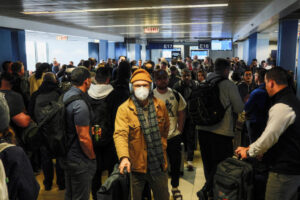
Airports also experienced troubling behavior. Security lines sparked arguments, while boarding gate confrontations escalated over delays and seating assignments. Staff members reported harassment and intimidation during peak travel periods. In response, several airports increased visible security presence and introduced faster reporting systems to address aggressive conduct immediately.
Popular tourist destinations faced their own challenges. Visitors damaged historic sites, ignored local customs, and disrespected sacred spaces. Viral videos showed tourists climbing restricted monuments or disrupting religious ceremonies for social media content. Local governments responded by raising fines, restricting access, and launching campaigns promoting responsible tourism.
Experts point to multiple factors driving these trends. Post-pandemic travel anxiety, staff shortages, crowded airports, and rising travel costs created high-stress environments. Some travelers displayed entitlement, expecting flawless service despite global disruptions. Social media attention also fueled risky behavior as individuals sought viral moments without considering consequences.
Authorities stressed that most travelers behave responsibly, but a small minority causes outsized disruption. Even single incidents can delay flights, divert aircraft, or traumatize staff and passengers. Industry leaders emphasized that respectful behavior remains essential for maintaining safety, efficiency, and positive travel experiences for everyone involved.
Airlines invested heavily in staff training and de-escalation techniques throughout 2025. Crew members learned to recognize early warning signs and intervene before situations escalated. Some carriers adopted body cameras or improved incident documentation tools to support staff and strengthen enforcement actions against offenders.
Looking ahead, travel experts expect continued vigilance. Airlines, airports, and tourism boards plan clearer behavior guidelines, stronger penalties, and better passenger education. Industry leaders agree that restoring civility requires shared responsibility between travelers, service providers, and regulators as global travel continues expanding in 2026.