

Key Points:
- Chelsea have parted ways with manager Enzo Maresca after a poor run of results and internal tensions.
- Liam Rosenior emerges as a strong candidate to take over, though some pundits favour more experienced options.
- Interim staff will guide the team for now as Chelsea chase Champions League qualification this season
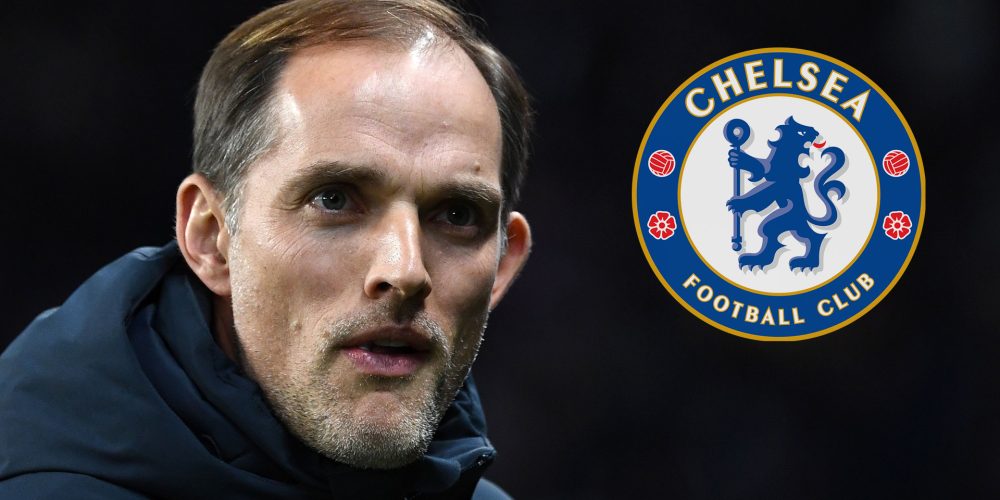
Chelsea Football Club has begun 2026 with a high-profile managerial change after parting company with Enzo Maresca. The Italian’s departure came following a slump in league form that saw the club win just once in seven Premier League games in December. The move leaves Stamford Bridge searching for new leadership amid pressure to return to winning ways.
Maresca joined Chelsea in 2024 with a strong reputation after guiding Leicester City to Premier League promotion. He delivered early success by steering the Blues to a top-four finish and Champions League qualification. The team also lifted both the UEFA Conference League and the FIFA Club World Cup under his guidance, achievements which now form a complex legacy.
Despite those victories, Chelsea’s form dipped sharply late in the season. December results exposed cracks as the squad struggled to maintain consistency. That downturn, coupled with growing tension between Maresca and club officials, ultimately prompted the leadership change. Fans expressed frustration during a draw with Bournemouth, underscoring a lack of momentum heading into the new year.
With Maresca’s exit confirmed, interim coaching duties are expected to fall to existing staff for Chelsea’s upcoming Premier League fixture against Manchester City. Reports suggest an assistant coach may take charge temporarily as the search for a permanent manager unfolds. The timing is critical, with Chelsea vying for Champions League qualification while competing on multiple fronts this season.
Talk of potential successors has ignited debate among pundits and supporters alike. Liam Rosenior has emerged as a leading candidate, thanks to his rise through coaching ranks at clubs like Strasbourg and Derby County. His progressive approach and familiarity with Chelsea’s multi-club setup strengthen his appeal within the club hierarchy.
Not all voices agree on Rosenior’s suitability. Some analysts advocate for a candidate with more Premier League experience, such as Crystal Palace manager Oliver Glasner. They argue that proven leadership at the top level could better steady a squad facing intense competition both domestically and in Europe.
Chelsea co-owners have signalled that a decision on the next manager should come soon, with reports suggesting the club aims to name a new head coach within days, not weeks. This swift timeline reflects urgency to stabilise the team and clarify long-term strategy following Maresca’s exit.
Off the pitch, the managerial change highlights broader discussions about Chelsea’s direction since the Clearlake Capital and Todd Boehly era began. The club has invested heavily in playing talent but struggled to secure consistent league success. Frequent managerial shifts have become part of the narrative, raising questions about long-term planning and footballing philosophy.
Despite recent setbacks, Chelsea remain competitive in the Premier League and hold ambitions to secure Champions League football next season. The fresh leadership decision will shape their prospects as the campaign enters a crucial phase. Supporters will watch closely as the club seeks stability and momentum under new management.
As the appointment process continues, speculation over candidates will grow. The new manager must navigate high expectations, a demanding fixture list, and pressure to deliver results. Whoever takes over will inherit a talented but underperforming squad looking to rediscover its form and challenge for top honours.









