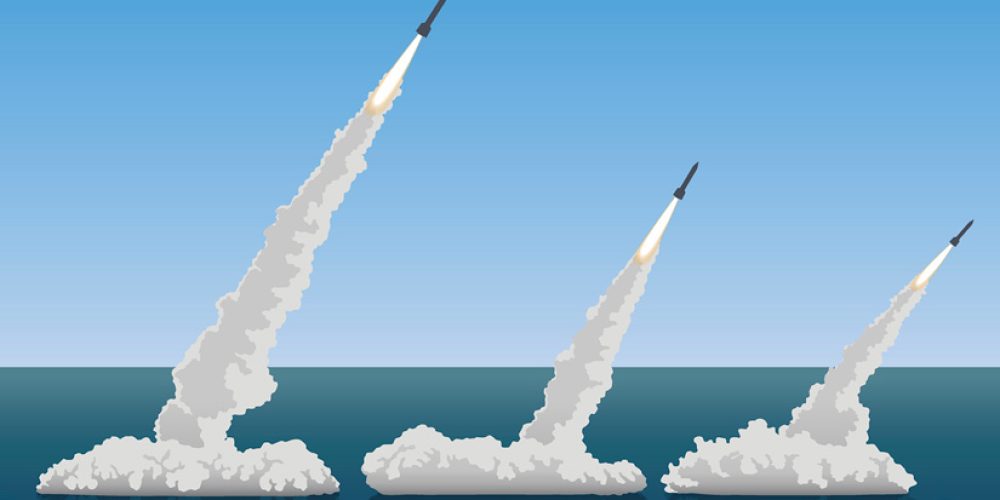
The geopolitical landscape in Eastern Europe has shifted significantly following the official deployment of Russia’s latest missile technology. Belarus has publicly showcased the arrival of the Oreshnik missile system on its sovereign territory. This advanced weaponry is capable of carrying nuclear warheads and represents a high-speed threat to neighboring regions. According to officials in Minsk, the units have already entered active combat duty as of late December 2025. This move fulfills a long-standing promise between the Kremlin and its closest European ally.
Russian military footage recently released shows the mobile launchers being positioned at strategic locations within Belarus. Analysts have used satellite imagery to identify a former airbase near the eastern city of Krychaw as a primary site. The choice of location is significant due to its proximity to the Russian border and NATO’s eastern flank. The Oreshnik system is an intermediate-range ballistic missile that can travel at hypersonic speeds. Experts believe it can reach major European capitals in less than twenty minutes once launched.
Belarusian leader Alexander Lukashenko has championed the deployment as a necessary defensive measure. He argues that the presence of these missiles serves as a deterrent against Western aggression. Lukashenko emphasized that his military now possesses the capability to respond to perceived threats with overwhelming force. While Russia maintains ultimate command and control over the warheads, the hosting arrangement strengthens the military bond between the two nations. This integration places Belarus firmly under the Russian nuclear umbrella during a period of high international tension.
The international community has reacted to the news with deep concern and diplomatic warnings. NATO officials stated that the deployment does not technically change the balance of power but increases the risk of miscalculation. They view the move as part of a broader psychological campaign intended to intimidate Ukraine’s allies. By placing hypersonic missiles in Belarus, Moscow successfully shrinks the warning time for Western air defense systems. This tactical advantage is designed to pressure European governments into reconsidering their support for Kyiv.
Despite the aggressive posturing, some experts suggest the deployment is more symbolic than practical. They point out that Russia could already strike these same targets from its own territory. However, the political message of moving nuclear-capable assets into a neighboring country is undeniable. It signals a return to Cold War-era tactics of forward-positioning strategic weapons. As 2026 approaches, the presence of the Oreshnik in Belarus remains a focal point for global security discussions. The world now waits to see how Western powers will adjust their own defensive postures in response.