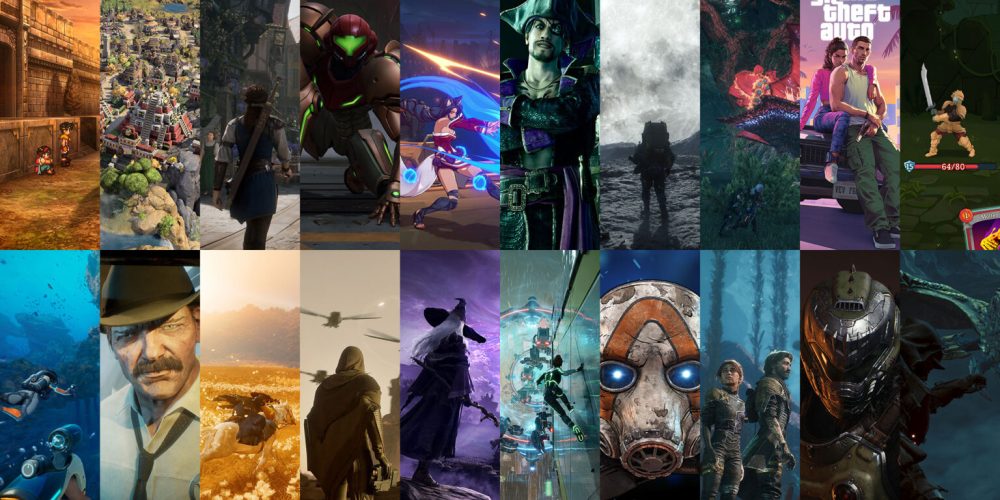
The video game industry is heading into 2026 with rare momentum. After years of delays and cautious releases, studios are preparing major launches that could redefine popular franchises. Players and analysts expect the coming year to blend blockbuster sequels with creative risks, signaling renewed confidence across console and PC gaming markets.
One title dominates nearly every conversation. Grand Theft Auto VI remains the most anticipated release, driven by its cultural reach and Rockstar’s long development cycle. Fans expect a massive open world, sharper storytelling, and technical leaps that could set new standards. Its arrival may reshape sales expectations across the entire industry.
Horror fans also have strong reasons to pay attention. The next major Resident Evil installment promises a fresh direction while staying rooted in survival horror. Capcom has steadily rebuilt trust with polished releases, and expectations remain high. The franchise continues to prove that long-running series can still surprise without losing their identity.
Beyond familiar names, several ambitious projects are drawing interest for different reasons. Cairn stands out as a bold concept focused on climbing, isolation, and physical challenge. Its slower pace contrasts sharply with traditional action games. Developers appear eager to explore atmosphere and mechanics rather than spectacle alone.
Role-playing games are also set for a strong year. Multiple studios plan expansive worlds with deeper player choice and complex systems. These titles reflect growing demand for immersive storytelling and long-term engagement. Developers increasingly design games to support years of updates, blurring the line between launch and live service.
Industry observers note that 2026 releases may reflect lessons learned from recent setbacks. Publishers now avoid rushing unfinished products. Extended development timelines aim to deliver stable launches and stronger critical reception. This shift suggests a healthier balance between creative ambition and commercial pressure.
Hardware trends add another layer to expectations. Current consoles are entering their mature phase, allowing developers to fully exploit performance capabilities. Improved tools help smaller studios compete visually and mechanically with larger teams. As a result, players may see more polished experiences across different budget levels.
Market analysts believe 2026 could influence gaming’s broader cultural position. High-profile launches often attract new audiences and renew interest among lapsed players. Successful releases may boost subscriptions, esports viewership, and streaming content, reinforcing games as a dominant entertainment medium.
As anticipation builds, uncertainty remains. Release schedules can change, and expectations carry risks. Still, the range of projects planned for 2026 suggests a confident industry ready to deliver. If even a portion of these games meet expectations, the year could become a defining chapter in gaming history.