The American restaurant landscape is currently locked in a fierce battle for the wallets of budget-conscious diners. After years of aggressive price hikes, major food chains are pivoting back to aggressive value strategies to keep their tables full. A new report highlights how giants like McDonald’s, Chili’s, and Taco Bell are doubling down on low-cost bundles to combat a significant decline in foot traffic. This shift signals a major turning point for an industry that has tested the limits of consumer spending power.
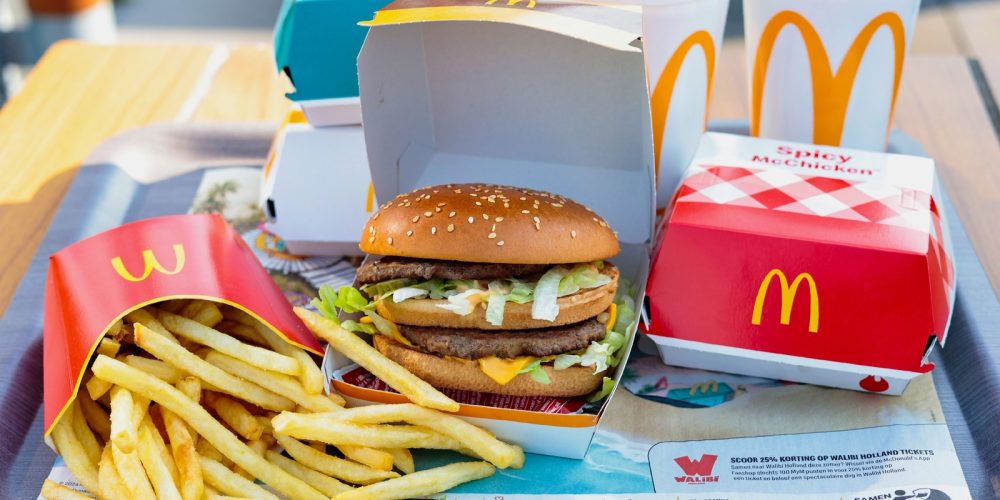
McDonald’s has extended its popular five-dollar value meal into the early months of 2026. This move comes after the company realized that many customers were simply priced out of their standard menu. By offering a consistent, low-cost option, the golden arches hope to regain the trust of lower-income households. Executives admit that the era of nearly ten-dollar Big Macs has driven many loyal fans toward home cooking or cheaper alternatives.
The competition is not limited to traditional drive-thru locations. Sit-down chains like Chili’s are aggressively marketing their own value platforms to steal market share. Their “3 for Me” deal offers a full meal for nearly the same price as a fast-food combo. This strategy aims to highlight the value gap between casual dining and quick-service restaurants. Many diners now feel that if they must pay fifteen dollars for lunch, they would rather have a seated experience with better service.
Taco Bell remains a dominant force in this price war by focusing on its digital-only rewards program. The brand has successfully used its mobile app to offer exclusive deals that encourage repeat visits. These digital “cravings boxes” allow the company to collect valuable data while providing the low prices customers demand. By moving deals behind an app, they can maintain margins while still appearing affordable to the general public.
Market analysts suggest that this trend is a direct response to a “vibe-cession” in the dining sector. While overall inflation has cooled, the perceived cost of eating out remains high for the average family. This psychological barrier has forced restaurant CEOs to prioritize volume over high individual check prices. They are finding that it is better to have a full dining room with lower margins than an empty one with premium pricing.
However, these deep discounts come with significant risks for franchise owners. Rising labor costs and high ingredient prices continue to squeeze bottom lines. Some operators worry that permanent value menus will train customers to never pay full price again. Balancing these promotional offers with a sustainable business model will be the primary challenge for the industry throughout 2026. For now, the consumer is the primary winner as brands fight to offer the most food for the fewest dollars.