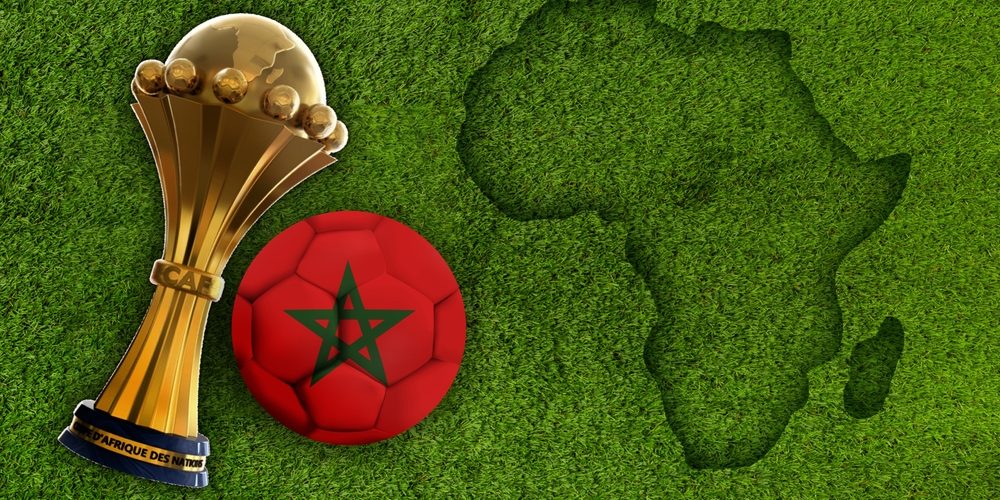
Morocco has completed a remarkable journey from continental isolation to becoming the centerpiece of African football. Ten years ago, the nation was viewed as a pariah after abruptly withdrawing from hosting the 2015 Africa Cup of Nations. That decision, driven by fears over the Ebola virus, led to a period of deep friction with the Confederation of African Football. Today, however, the 2025 edition of the tournament serves as a powerful symbol of Morocco’s restored prestige and global standing.
The transformation is not merely a matter of sports; it is a strategic masterpiece of diplomacy. Under the vision of King Mohammed VI, the country has spent years repairing relationships and investing heavily in football infrastructure. This long-term commitment has turned the kingdom into a reliable hub for major international events. Experts point out that hosting the tournament now is a clear sign that Morocco is once again trusted by its neighbors and the wider world.
England Ends 15-Year Drought at MCG with Thrilling Two-Day Ashes Victory Over Australia
The current AFCON showcase highlights Morocco’s world-class facilities and organizational maturity. Matches are taking place in modernized stadiums across six cities, including Rabat, Casablanca, and Marrakesh. Visitors and officials have praised the high standards of transport, security, and hospitality on display. This level of preparation is designed to prove that the nation can compete with the most advanced venues in Europe and Asia.
Beyond the physical stadiums, the tournament plays a vital role in Morocco’s “soft power” strategy. By welcoming the continent, the country is redefining its national identity as a bridge between Africa and Europe. This openness helps foster cultural pride and strengthens international visibility. Sociologists suggest that these mega-events create a collective national narrative that builds social cohesion and public joy.
The stakes for the host nation are also high on the pitch. Ordinary citizens are desperate to see the Atlas Lions lift the trophy for the first time since 1976. After their historic run to the World Cup semi-finals in Qatar, expectations have reached an all-time high. Winning at home would be the ultimate validation of the country’s massive financial and emotional investment in the sport.
As the tournament progresses, the narrative of the “pariah” has been firmly replaced by one of leadership. Morocco is no longer looking for permission to lead; it is setting the pace for the rest of the continent. The success of AFCON 2025 acts as a stepping stone toward an even larger goal: the 2030 FIFA World Cup. For now, the focus remains on the current celebration of African unity and excellence. Morocco has proven that with time, vision, and investment, even the deepest diplomatic wounds can heal.