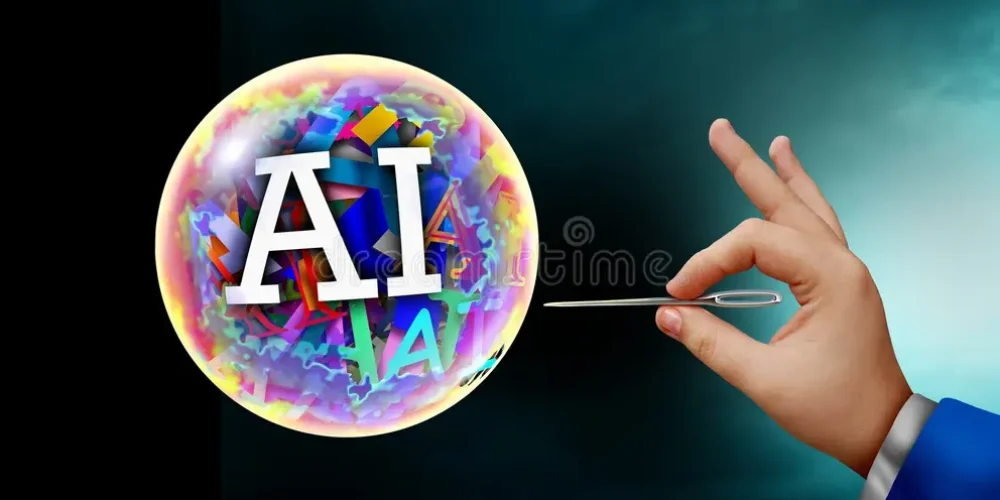
While the stock market continues to reach record highs fueled by artificial intelligence optimism, the debt market is flashing significant warning signs. According to a recent report by The New York Times, debt investors are becoming increasingly cautious as AI companies borrow billions of dollars to fund their massive infrastructure needs. Unlike stock investors who have largely ignored bubble warnings, lenders are now demanding much higher interest rates to compensate for the perceived risks of these unproven ventures.
New AI-focused businesses are being forced to pay lofty interest rates compared to similarly rated companies in other sectors. For example, data center builder Applied Digital recently faced a debt deal with interest rates approximately 3.75 percentage points higher than usual. This effectively translates to roughly 70 percent more in interest costs. Such premiums indicate deep skepticism among creditors regarding the ability of these nascent businesses to service large debts.
Several indicators highlight this growing wariness in the credit markets. The cost of credit default swaps—financial instruments that protect bondholders against potential losses—has surged for some AI firms in recent months. Additionally, some newly issued bonds have seen their prices tumble shortly after entering the market. These trends suggest that while equity markets remain in a “gold rush” phase, the bankers and bondholders who provide the actual capital are pricing in a much higher probability of default.
The primary concern for these investors lies in the massive capital expenditures required for AI development. Companies are racing to build sprawling data facilities and purchase expensive hardware, like high-end GPUs, at an unprecedented scale. However, construction delays and logistical hurdles could push back the time it takes for these centers to generate revenue. Furthermore, there is a lingering fear of a future glut in computing power. If the actual demand for AI services fails to meet these aggressive projections, the industry could face a wave of defaults similar to the dot-com bust of the early 2000s.
Even established giants like Oracle and Microsoft are feeling the pressure. Their credit default swap spreads have widened as they take on “boatloads of debt” to support partnerships with organizations like OpenAI. Analysts suggest that the current pace of borrowing is neither sustainable nor repeatable as a permanent operating model. For now, the debt market is telling a very different story than the booming stock market, acting as a sobering counterpoint to the prevailing AI hype.