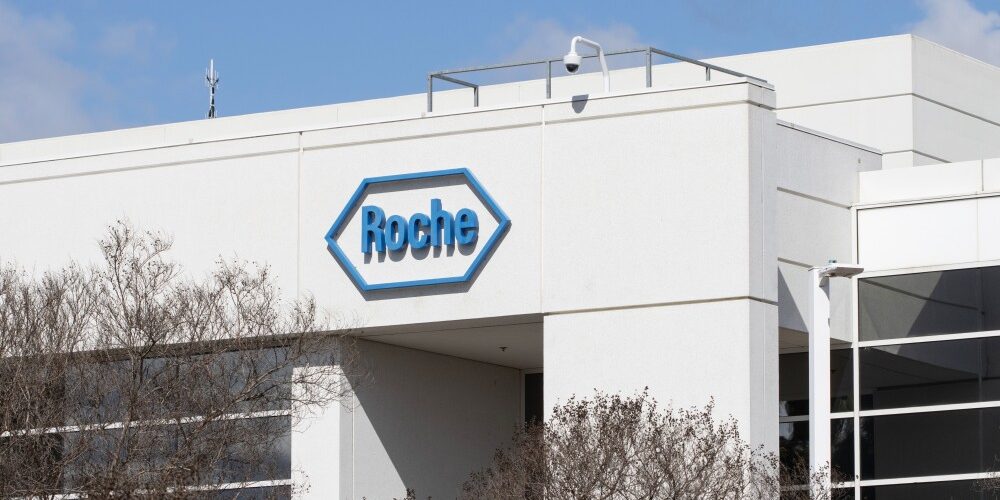
The chief executive of Swiss pharmaceutical giant Roche signalled that future drug prices in Switzerland may rise as a consequence of recent pricing agreements between major drugmakers and the U.S. government. The remarks highlight how global pricing strategies could shift in response to deals aimed at lowering medicine costs in America.
The backdrop for this development is an initiative by the U.S. administration to push pharmaceutical companies to cut prices on medicines sold through the government’s Medicaid programme for low-income Americans. Roche’s U.S. unit, Genentech, is among the firms participating in these agreements. While these deals will reduce prices stateside, they could also prompt a rebalancing of global pricing structures.
Roche CEO Thomas Schinecker explained that Washington’s approach aims to ensure that wealthy nations contribute proportionately to the cost of pharmaceutical innovation. Under this thinking, prices of new medicines should reflect a country’s economic strength, which is typically measured by gross domestic product per capita. In practical terms, this could mean higher launch prices in countries like Switzerland, which has a higher GDP per capita than the United States.
Schinecker stressed that the expected price changes would not affect existing medicines. Instead, any increase would occur gradually as new drugs come to market over the coming years. He suggested that this system would help supporters of innovation ensure that every market pays its fair share of investment costs. For Switzerland in particular, that could translate into higher prices at launch compared with Italy and other reference countries with lower GDP per capita.
The CEO’s comments have stirred debate among Swiss politicians and healthcare advocates, who fear that steeper prices could strain the country’s healthcare system and put pressure on public and private payers. Switzerland’s pharmaceutical sector is a major contributor to the economy, supporting jobs, exports and tax revenues, and any shift in pricing policy is closely watched by policymakers.
Schinecker also warned that if Switzerland resists adjusting prices in line with the new framework, it could slow the introduction of innovative treatments. With Roche and other global companies negotiating pricing strategies with countries including Denmark, Germany, France, Britain, Italy, Japan and Canada, the implications extend well beyond Swiss borders. These nations are among those referenced by the U.S. as part of its new pricing model.
The pricing discussions are expected to intersect with ongoing trade negotiations between Bern and Washington. A broader trade deal struck in November included tariff adjustments on Swiss exports to the U.S., and the future pricing system may become part of these wider talks. Roche’s position suggests that harmonising prices could help maintain its competitive edge while supporting its significant global research and development commitments.
Industry analysts see the situation as part of a larger trend. As governments seek to make medicines more affordable for their citizens, pharmaceutical companies are realigning global pricing strategies to protect margins and preserve investment capacity. The U.S. moves, in particular, have encouraged a reassessment of how prices are set in wealthier markets.
Still, the transition is expected to be gradual. Roche emphasises that existing medicines will remain at their current prices in Switzerland, and any changes would unfold over several years as new products roll out. For now, the conversation reflects the delicate balance between ensuring access to lifesaving medicines and maintaining incentives for future innovation.