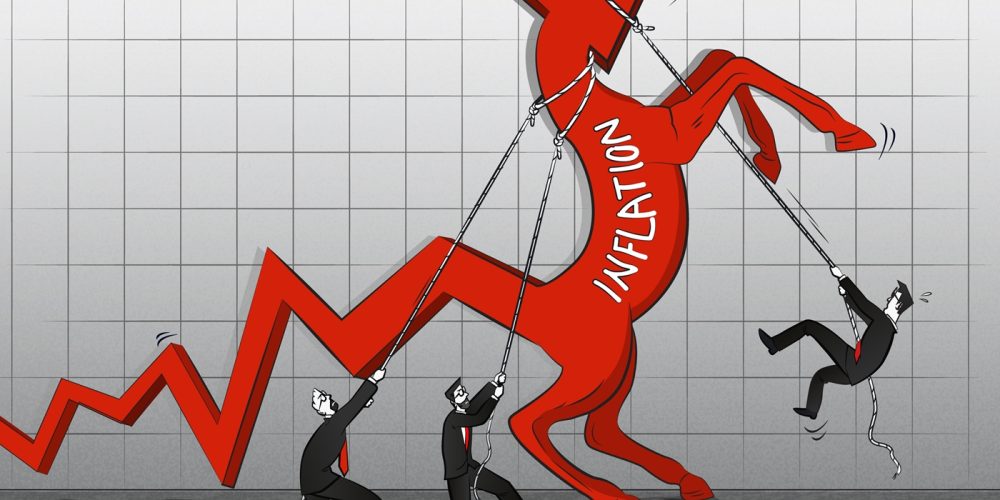
A recently released inflation report suggesting easing price pressures has sparked caution rather than celebration among economists. While the delayed Consumer Price Index data appears to show a slowdown in inflation, many experts warn that flaws in the report make it risky to rely on the numbers alone.
The data, published later than scheduled, indicated softer price growth across several categories. At first glance, the figures seemed to support the idea that inflation is finally cooling after years of elevated costs for consumers. However, economists say the delay itself raises concerns about accuracy, methodology, and the broader message the report sends to policymakers and markets.
Several analysts point out that delayed CPI releases often rely on incomplete or adjusted data. This can distort trends, especially during periods of economic transition. When inflation is shifting direction, timing matters. Missing or revised inputs can exaggerate declines or mask underlying pressures that remain present in the economy.
Economists also highlight that inflation is not a single, uniform experience. While some prices may be stabilizing, others remain stubbornly high. Housing costs, insurance, healthcare, and certain services continue to weigh heavily on household budgets. A headline number showing improvement may not reflect the daily reality faced by many consumers.
Another issue lies in seasonal adjustments and statistical smoothing. These tools help make data comparable month to month, but they can also blur short-term changes. In a delayed report, those adjustments become even more sensitive. Small changes in assumptions can produce outsized shifts in the final inflation figure.
Market reactions to the report were mixed. Some investors welcomed signs of cooling inflation, hoping it could pave the way for interest rate cuts. Others remained skeptical, noting that policymakers are unlikely to base decisions on a single, problematic data release. Central banks typically look for consistent trends across multiple indicators before changing course.
Federal Reserve officials have repeatedly stressed the importance of reliable, timely data. Economists say delayed inflation reports complicate that task. If policymakers misread inflation’s trajectory, they risk easing policy too soon or holding rates high longer than necessary. Either outcome could slow growth or reignite price pressures.
There is also concern about public trust. Inflation data plays a key role in shaping expectations for wages, spending, and savings. When reports arrive late or appear inconsistent, confidence can erode. Consumers may question whether official figures truly reflect their experience, making it harder for central banks to guide behavior through communication alone.
Many economists recommend focusing on a broader set of indicators rather than fixating on one CPI release. Measures such as wage growth, core inflation trends, producer prices, and real-time spending data can offer a more complete picture. Together, these signals help confirm whether inflation is genuinely easing or simply fluctuating.
In the current environment, experts urge patience. Inflation may be slowing, but the path remains uneven. A delayed report showing improvement should be viewed as one data point, not a definitive turning point. Until inflation trends appear consistently across timely and transparent reports, caution will remain the dominant message from economists.