A groundbreaking international study has uncovered a specialized molecule in the human gut that could revolutionize how we treat type 2 diabetes and metabolic disorders. The research, recently featured in the journal Nature Metabolism, identifies a microbial metabolite known as trimethylamine (TMA) as a powerful anti-inflammatory agent. This discovery marks a major shift in the scientific understanding of how the gut microbiome communicates with the rest of the body to regulate blood sugar.
For years, many researchers focused on the negative impacts of trimethylamine N-oxide (TMAO), a byproduct of TMA that has been linked to heart disease. However, this new study suggests that TMA itself—before it is converted into its more harmful counterpart—actually performs a protective role. The body produces TMA when gut bacteria break down choline, a natural nutrient found in eggs, fish, legumes, and certain vegetables. Once produced, TMA appears to act as a natural brake for a specific inflammatory pathway that contributes to insulin resistance.
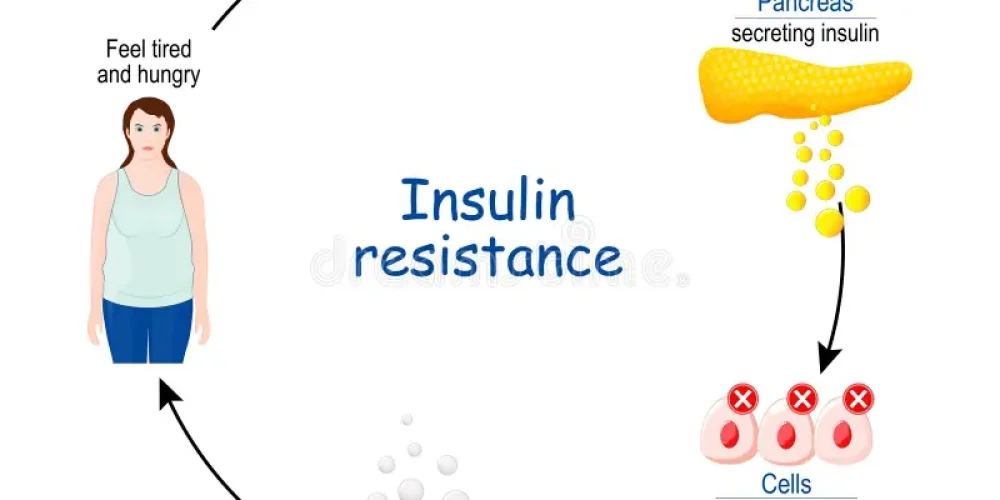
The key to this metabolic protection lies in a protein called IRAK4. In individuals with poor dietary habits or obesity, the immune system often becomes hyper-reactive, causing IRAK4 to trigger chronic inflammation. This constant state of alert prevents the body’s cells from responding properly to insulin, eventually leading to type 2 diabetes. The research team demonstrated that TMA can bind directly to the IRAK4 protein and block its overactive signaling. By “switching off” this inflammatory trigger, the gut molecule helps restore insulin sensitivity and improves overall glycemic control.
To confirm their findings, scientists used a combination of human cell models and animal studies. They observed that when TMA levels were boosted, the negative metabolic effects of a high-fat diet were significantly reduced. Strikingly, the molecule even showed the potential to protect against life-threatening inflammation in cases of sepsis. These results highlight a complex, symbiotic relationship where the food we eat helps our gut microbes produce the very tools needed to defend our health.
While the study offers a promising new map for diabetes prevention, experts caution that more human trials are necessary. For now, the focus remains on dietary strategies that support a diverse and healthy microbiome. Consuming whole foods rich in choline and fiber can help cultivate the right balance of bacteria to produce these beneficial metabolites.
This research “flips the narrative” on gut-derived chemicals, showing that some can be deeply protective rather than harmful. As the pharmaceutical industry already targets the IRAK4 protein for various treatments, this discovery could lead to a new generation of drugs or nutritional supplements designed to mimic or enhance the effects of TMA. It represents a vital step toward personalized medicine that works in harmony with our internal ecosystems.