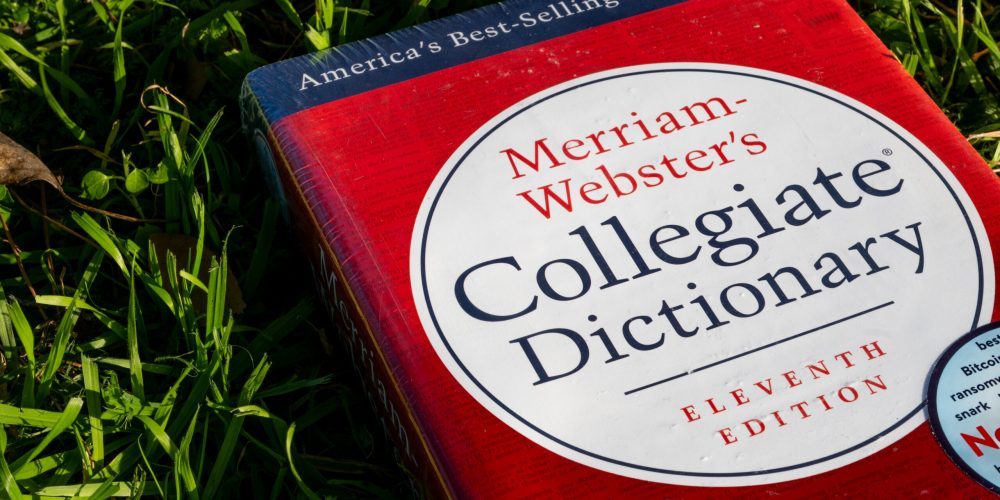
The esteemed dictionary publisher Merriam-Webster has selected a single word to define the cultural conversation of 2025: “slop.” This choice reflects the widespread proliferation of low-quality digital content. Editors specifically tied the term to the rapid growth of generative artificial intelligence tools.
Merriam-Webster now officially defines “slop” as “digital content of low quality that is produced usually in quantity by means of artificial intelligence.” The word succinctly captures a year dominated by algorithmic output. It describes the massive influx of generic, low-effort material flooding the internet.
This content deluge includes various examples. Consumers saw absurd, often uncanny videos and off-kilter advertising images. The “slop” also comprises cheesy propaganda and fake news stories that appear convincingly real. Furthermore, junky AI-written books and worthless internal business reports, dubbed “workslop,” added to the digital clutter.
The dictionary’s selection process monitors significant increases in word lookups and overall usage. The surge in searches for “slop” demonstrated its cultural resonance. It serves as a collective term of judgment for the state of the modern internet.
Experts note that 2025 was a tipping point for AI accessibility. New video generators like Sora and Google’s Veo 3 allowed users to create clips almost instantly. This ease of production prioritized volume over genuine value. The resulting abundance of manufactured content has saturated social media feeds and search results.
However, the word “slop” carries a uniquely dismissive tone. It is less about fear and more about mocking the technology. Merriam-Webster suggests the term is a reminder that AI, despite its grand promises, often churns out rubbish instead of genius. The word challenges the notion of machines replacing true human creativity.
Historically, “slop” carried unpleasant connotations. In the 1700s, it referred to soft mud. It later evolved in the 1800s to describe food waste, often given to pigs. Its modern digital meaning maintains this image of unwanted refuse. The sound of the word—like slime or muck—further reinforces the idea of something undesirable.
Despite its negative implication, the dictionary president suggests the term reflects public hope. The rising popularity of “slop” indicates that people recognize and reject inauthentic content. They express a strong desire for real, genuine creations. The word has become a defensive rallying cry for authenticity in a digital age.
Merriam-Webster also highlighted several other notable words for 2025. These runners-up reflect other major cultural and political trends of the year. Popular search terms included gerrymander, driven by redistricting controversies, and tariff, related to global economic headlines. Other popular phrases included performative, used to critique insincere actions, and the popular slang term touch grass, which urges disconnection from online life. The variety in this year’s shortlist emphasizes a year defined by technology, politics, and a collective online weariness.