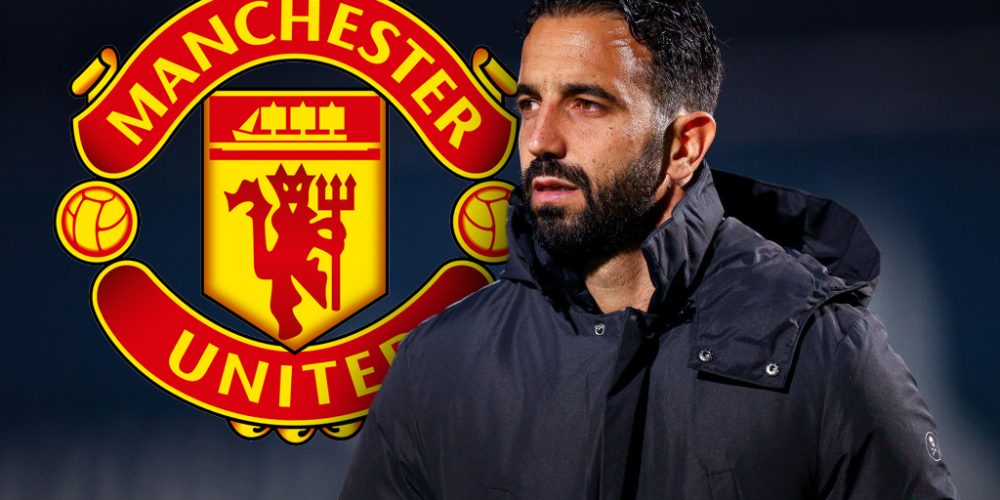
Manchester United manager Rúben Amorim has publicly demonstrated a calm and measured approach to the intense scrutiny surrounding his new role. The Portuguese coach, facing significant pressure early in his tenure, stated that he fully accepts and understands the criticism coming from former players and media pundits. His comments reflect the challenging environment inherent to managing one of the world’s most scrutinized football clubs.
Amorim made his remarks ahead of a crucial fixture against Aston Villa. He acknowledged the difficult start his team has faced. He maintained that the legendary status of Manchester United means criticism is a permanent fixture, especially when results fall short of the club’s lofty standards. He emphasized that the club’s history, marked by immense success, fuels the passionate reactions from those who were once a part of it.
The manager specifically highlighted the responsibility of upholding the club’s storied legacy. He suggested that the critical voices of former players like Gary Neville, Rio Ferdinand, and Paul Scholes are legitimate. He sees their commentary as rooted in a deep love for the club and a genuine desire to see the team restore its former glory. Instead of deflecting the pressure, Amorim chose to internalize it as motivation to improve performance on the pitch.
Amorim’s early time at Old Trafford has been turbulent, with the team delivering inconsistent results. The intense pressure stems from a perceived underperformance relative to the resources and talent available. The manager is keenly aware that the fan base, alongside influential former players, holds high expectations for attacking football and continuous success. His predecessor often faced similar media firestorms, underscoring the relentless nature of the job.
The former Sporting Lisbon coach stressed the need for the team to remain focused and united. He pointed out that while the external noise is unavoidable, the players and staff must concentrate solely on implementing their tactical plan and securing vital points. He confirmed that the club’s hierarchy remains supportive of his long-term vision. This backing is crucial for maintaining stability amidst the external storm.
Amorim’s acceptance of criticism contrasts with the defensive postures taken by some previous managers. This approach could be a strategic effort to diffuse tension and establish a more collaborative relationship with the club’s legends and the broader media. He understands that winning is the only language that ultimately silences the critics at a club of United’s stature.
Looking ahead, the manager must translate this philosophical acceptance into tangible improvements. A victory against a strong opponent like Aston Villa would provide much-needed breathing room. Amorim’s ability to navigate the complex dynamics of Manchester United, balancing the demands of a modern coaching setup with the immense weight of the club’s history, will define his success. For now, he appears focused on the task at hand, knowing that the microscope will not be lifted anytime soon.