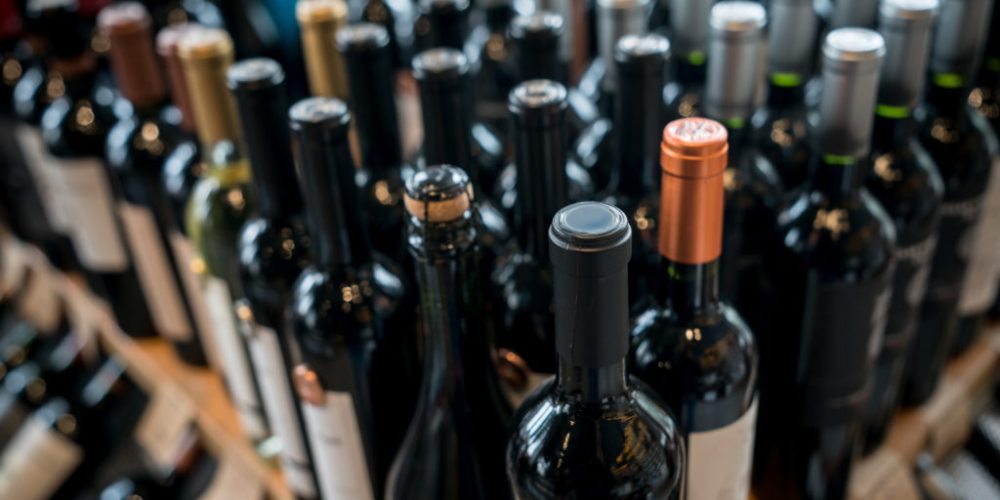
European consumers encounter huge price differences when purchasing wine, beer, or spirits. Recent data highlights the enormous disparity in alcohol costs across the continent. A price level index compares the cost of an identical selection of drinks in different nations. This index uses 100 to represent the average price across the European Union. A score above 100 means the country is more expensive than the EU average. A score below 100 indicates lower costs for consumers.
This price gap creates a substantial divide between Northern Europe and regions in the south and east. The massive variation directly impacts both tourist budgets and household spending power.
The Northern Price Spike
Scandinavian nations and their neighbors consistently report the continent’s highest price levels. Governments in these areas intentionally impose steep taxes to manage consumption. Iceland currently holds the title as the most expensive European country for alcohol. Prices in Iceland soar 185 percent above the established EU average. This makes a standard collection of alcoholic drinks nearly three times more expensive than the continental mean.
Norway, another non-EU member, follows closely behind in the high-cost ranking. Norway maintains prices well over double the EU average index score. These nations see taxation as a critical public health strategy.
Within the European Union itself, Finland records the highest prices. Alcohol prices in Finland stand 110 percent above the EU average. This confirms Finland as the most expensive EU member state for drinks. Ireland also features remarkably high costs. Ireland’s prices reach almost double the EU average price level. Sweden and Denmark similarly sit well above the baseline index of 100. These northern countries use high excise duties as a strong deterrent. Policymakers aim to reduce excessive consumption and alcohol-related harm through high pricing.
The Affordable Regions
Conversely, several Southern and Eastern European nations offer significantly cheaper beverages. These low-price areas provide a clear contrast to the high-tax Nordic model. Bulgaria and Romania feature the lowest alcohol prices in the EU. Both countries record price indices far below the 100 average. In these nations, a basket of alcoholic drinks costs less than three-quarters of the EU average price. Hungary also offers consumers very affordable alcohol options.
Many of Western Europe’s largest economies also feature prices below the average line. Italy, a major wine producer, boasts prices 16 percent lower than the EU average. Germany and Austria report alcohol costs well under the continental mean. Even Spain enjoys comparatively low prices for most alcoholic goods. France remains a notable exception among the largest EU economies. It records a price index figure slightly above the EU average.
Taxation Drives Disparity
Mediterranean and Eastern countries historically report lower consumption rates and related harm. This allows their governments to set reduced tax rates. The steep taxes in the north directly reflect a legislative response. They address public health concerns linked to higher consumption levels. Therefore, alcohol costs across Europe demonstrate a strong continental split. This division is fundamentally based on differing public health approaches and fiscal strategies.