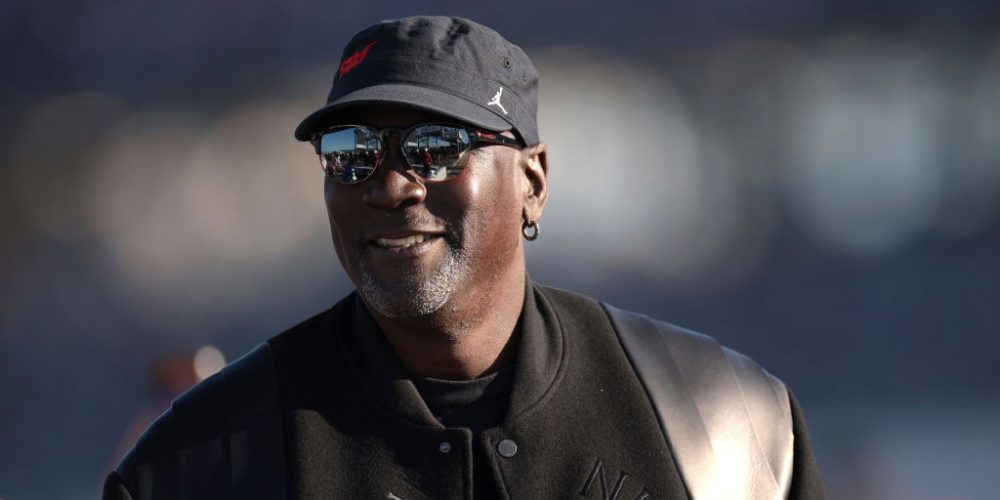
NBA legend and NASCAR team co-owner Michael Jordan provided powerful testimony in a landmark federal antitrust trial this week. Jordan, co-owner of 23XI Racing, addressed the court in Charlotte, North Carolina. He explained why his team felt compelled to sue NASCAR over its current business practices. His appearance drew significant attention to the ongoing dispute.
Jordan has been a lifelong fan of the stock car series. He made it clear he still loves the sport. However, he sharply criticized NASCAR’s organizational structure. He argued the current model unfairly shortchanges both the racing teams and the drivers. Jordan stated that someone needed to challenge the system. He believed his position as a new owner gave him the freedom to speak out. He joined Front Row Motorsports in filing the lawsuit. They allege that NASCAR operates as a monopolistic entity.
The core of the legal battle revolves around team charters. Charters operate much like franchises in other major sports leagues. They guarantee a team entry into every race and ensure a stable financial payout. NASCAR established the charter system in 2016. Teams have spent years asking for the charters to be made permanent. This change would provide vital revenue stability for team owners.
Negotiations hit a crisis point late in 2024. NASCAR presented teams with a long contract extension. It gave them only six hours to sign the document. The deal refused to make the charters permanent. It also reportedly included a clause preventing teams from suing NASCAR in the future. Thirteen teams signed the agreement under pressure. However, 23XI Racing and Front Row Motorsports stood firm and refused. They filed the antitrust lawsuit instead.
Jordan outlined his three main reasons for rejecting the offer. First, the deal was not economically viable for his team. Second, he viewed the no-suit clause as a clear antitrust violation. Third, he felt the six-hour ultimatum was completely unfair to 23XI Racing. He emphasized that team owners wanted a true partnership with the racing body. Jordan pointed to the National Basketball Association’s revenue-sharing model as an example. The NBA splits approximately half its revenue with its players. NASCAR’s structure offers a far lower percentage to the teams.
Old Trafford Frustration: West Ham Snatch Late Point as Set-Piece Weakness Haunts Manchester United
He told the jury that the sport lacks a system of shared responsibility. Teams and drivers assume all the financial and physical risk. Jordan noted that he has personally invested up to $40 million in 23XI Racing. He still lacks a guarantee of permanent inclusion in the sport. Jordan stressed the importance of drivers who risk their lives every week. He argued they receive insufficient credit or protection, lacking a union or insurance policy.
Testimony from other witnesses supported Jordan’s claims. For instance, an executive director for Joe Gibbs Racing described the pressure campaign. She emotionally likened the contract ultimatum to holding a “gun to your head.” She explained that losing a charter would effectively put a team out of business. Losing the charter means losing guaranteed revenue.
The outcome of this landmark trial will reshape NASCAR’s future. If the teams win, the court could mandate permanent charters. The judge could even order the dismantling of the current governance structure. A jury could award substantial monetary damages. Jordan insists the lawsuit aims to improve the sport he loves, not destroy it.