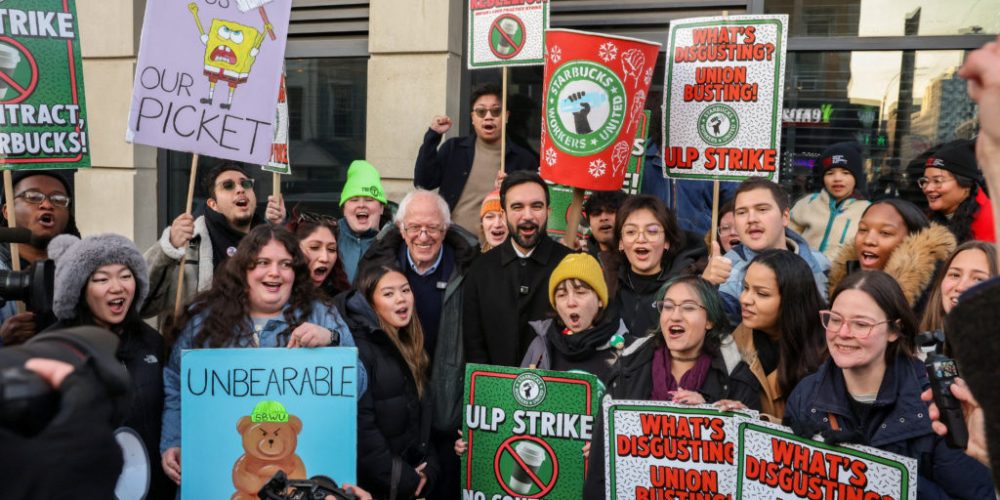
The labor dispute between Starbucks and the Workers United union has intensified. Unionized baristas across the country, including New York City, are participating in an open-ended strike. They call the action the “Red Cup Rebellion.” The walkout began on one of the company’s busiest sales days of the year, its annual Red Cup Day. This coordinated action is one of the largest displays of organized labor since the unionization efforts began.
Baristas are striking over hundreds of unresolved unfair labor practices. They accuse the coffee giant of intentionally delaying contract negotiations. The union has been seeking a national collective bargaining agreement for many months. Despite meeting for hundreds of hours, the two sides remain far apart on key economic issues. The union decisively rejected an earlier company proposal. That offer failed to provide sufficient wage or benefit improvements in the contract’s first year.
Core Demands and Stalled Talks
The union’s core demands center on three critical areas. Workers want higher take-home pay to combat rising costs of living. They also demand more predictable scheduling and improved staffing levels in stores. Baristas frequently describe a chaotic work environment due to chronic understaffing. This issue leads to increased wait times and stress, despite a high volume of complex online orders. Management has allegedly failed to address these issues.
In New York City, strikers held a prominent rally and picket line in Brooklyn. They were joined by major political figures. U.S. Senator Bernie Sanders and New York City Mayor-elect Zohran Mamdani publicly supported the baristas. Mamdani, a democratic socialist, told the crowds the workers’ requests were demands for basic decency and respect. This political support amplifies the union’s message and increases pressure on Starbucks management.
Legal and Financial Context
The strike occurs immediately following a significant legal settlement in New York. Starbucks agreed to pay approximately $35 million to over 15,000 workers. The city determined the company repeatedly violated the Fair Workweek law. The law requires fast-food businesses to provide stable, predictable work schedules. The settlement also included an additional $3.4 million in civil penalties. This record payment underscores the scope of the labor issues at the company.
Starbucks, which insists it offers the best retail job in the industry, has continued to defend its position. The company argues that millions of people apply for jobs annually. However, the union remains resolute. They promise to escalate the strike if Starbucks refuses to return to the table with fair proposals. The “No contract, no coffee” campaign encourages a nationwide boycott. The union hopes to financially interrupt Starbucks operations until their demands are met. The strike is now engaging thousands of workers across numerous US cities.