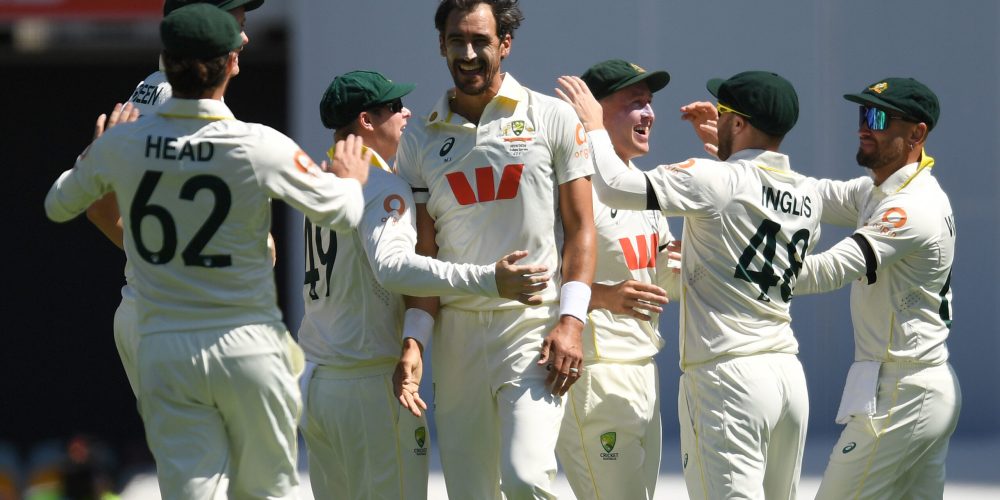
In a bold move ahead of the second Ashes Test, Australia won the toss and chose to bat first — surprising many cricket fans and experts. The bigger shock, however, came with the announcement that veteran spinner Nathan Lyon would be left out of the playing eleven. The decision signals a shift in Australia’s strategy as they aim to balance their squad’s strengths against England’s lineup.
Lyon, often considered a mainstay of Australia’s attack, has delivered crucial performances in past series. But selectors appear to have opted for a different combination this time, possibly prioritizing either seamers or a more batting-heavy order in conditions expected to favor batsmen. This change reflects evolving match-up thinking rather than a simple form-based drop — though it inevitably adds pressure on the rest of the bowling unit.
Choosing to bat first indicates Australia’s confidence in their top and middle order. On pitches offering consistent bounce and favorable batting conditions, the openers and top order batters will have a chance to build a big first-innings total. That foundation could allow the bowlers to apply pressure on England in the second innings. Historically, batting first in Test cricket brings strategic advantages — scoreboard pressure, control over game pace, and more flexibility in how the team approaches the rest of the match.
Absence of Lyon means the team may rely more heavily on pace bowlers or alternate spin options, depending on pitch behavior. The move could reshape how England approaches their innings — they may target early runs to pace up after the first innings, or adjust their batting order to counter the seam-heavy attack. For spectators and analysts, the reshuffle adds intrigue: will Australia’s gamble pay off, or will England exploit the weakened spin option?
For Lyon, sitting out another Ashes match will draw attention — especially from fans who view him as a lynchpin of Australia’s spin strategy. His experience and wicket-taking ability have often been crucial components in tight tests. Critics may question whether the decision undermines Australia’s spin strength, particularly if the pitch begins to turn later in the match.
Selectors, however, likely weighed multiple factors. They may anticipate certain weather conditions, believe the seam attack has a greater chance of exploiting early movement, or see this as an opportunity for newer players to step up. In changing conditions, such as a dry subcontinent pitch or a turning track, this decision would have drawn severe criticism — but in this scenario, the gamble seems calculated.
This move also reflects how the modern Ashes — and Test cricket broadly — continues to evolve: teams are becoming more flexible with their lineups, willing to risk tradition in favor of strategic advantage. Dropping a seasoned spinner and batting first represents a tactical gamble, not a conservative play.
As the match unfolds, all eyes will be on Australia’s top-order performance and how their new bowling lineup fares without Lyon. If they post a strong total and keep England’s run-scoring in check, the bold call might be justified. Otherwise, critics will argue the omission backfired.
For cricket fans, the second Test promises high drama. Australia’s decision adds tension and strategic complexity, injecting fresh uncertainty into the Ashes battle. Whether it reshapes the series remains to be seen — but it certainly signals that the Wallabies aren’t fearing bold moves.