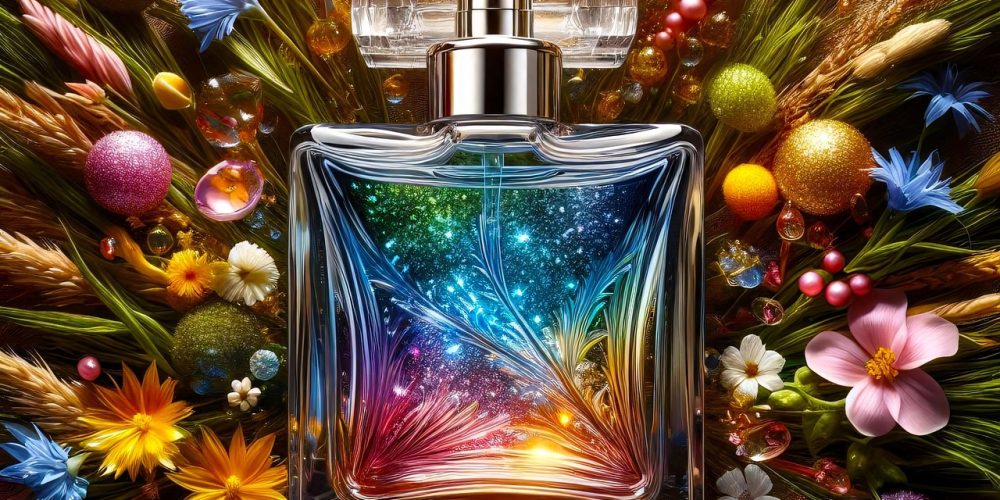
The world’s most traditional industries are now facing digital disruption. Amazon is successfully proving this by introducing Artificial Intelligence into the highly exclusive realm of perfumery. The tech giant recently unveiled a sophisticated software system designed to create unique, personalized fragrances. This move signals a significant transformation for the multi-billion-dollar global scent market.
Amazon debuted the powerful technology to a select group of developers and partners. The new system instantly merges advanced machine learning with complex fragrance chemistry. Historically, perfume creation relied entirely on human intuition, years of experience, and costly manual experimentation. Amazon’s AI offers a scalable, data-driven alternative to this slow, deliberate process.
The “eau de AI” system functions by analyzing a massive volume of consumer data. This information includes customer purchasing habits, location-specific climate patterns, and even sentiment expressed across social media platforms. The software processes these inputs to create highly accurate predictions about an individual user’s or a target demographic’s preferred scent profiles. It can instantly suggest novel formulas and adjust existing ones.
This rapid development cycle directly challenges the traditional role of a master perfumer, often called a “nose.” Traditional experts can take years to finalize a single scent. Amazon’s algorithm aims to dramatically reduce that timeline. The new technology allows for instantaneous development and faster product rollout. This shift toward mass customization fundamentally redefines how fragrances are brought to market.
The demonstration highlighted the system’s ability to handle the intricate balance of flavor and fragrance components. Developers watched the AI seamlessly blend chemical notes to generate unique, on-the-spot fragrance recipes. This capability suggests that highly sophisticated software can now master the nuances of sensory chemistry.
The system’s implications for retail and manufacturing are extensive. The technology allows manufacturers to tailor inventory based on specific, local, and even fleeting consumer demands. Established perfume houses now face competition from a system that never tires and possesses unlimited processing power. Conversely, smaller, niche brands could leverage the tool to quickly develop highly targeted products for their specific audiences.
Ultimately, this innovation moves beyond simply mixing essential oils. It represents a bold new frontier for AI applications in sensory science. Similar machine learning frameworks could eventually personalize other consumer goods. These may include food flavorings, household cleaning products, and various cosmetic items.
Amazon’s foray into algorithmic perfumery marks a profound challenge to the human element of artistry. It pushes the entire fragrance industry toward a future where data and algorithms may soon define our most cherished smells. The company is actively laying the groundwork for a world where personalized scent recommendations are integrated directly into the e-commerce experience.