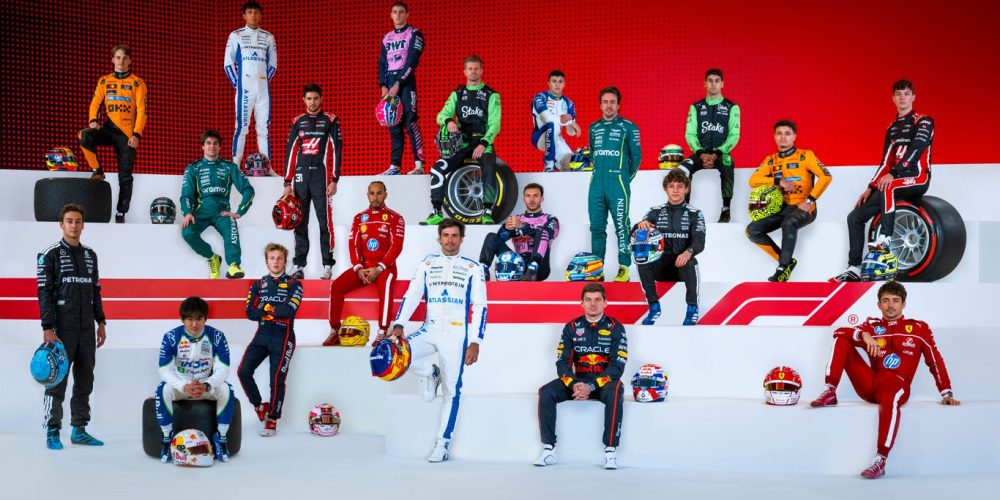
Red Bull has named 21-year-old French driver Isack Hadjar as Max Verstappen’s new teammate for the 2026 Formula One season, replacing Yuki Tsunoda in what is widely seen as one of the toughest jobs in motorsport. The team also confirmed a major change at its sister outfit, Racing Bulls, where rookie Arvid Lindblad will step up from Formula Two to race alongside Liam Lawson.
Hadjar has enjoyed a breakout debut season with Racing Bulls, highlighted by a podium finish at the Dutch Grand Prix in August that showcased his pace and composure. His promotion comes at a time when Red Bull is preparing for a new engine era and looking to secure long-term talent capable of supporting Verstappen’s push for continued dominance.
Red Bull principal Laurent Mekies said the team believes Hadjar has the “magic” needed to thrive alongside Verstappen. The role, however, has a difficult history. Verstappen has cycled through multiple teammates in recent years, with none able to match his relentless results. The Dutch world champion is expected to enter 2026 with his fourth teammate since the end of 2024, underscoring the challenge Hadjar now faces.
The move also leaves the Formula One grid without a Japanese driver for the first time in several seasons. Tsunoda will remain in the Red Bull structure as a test and reserve driver during the first year of the new engine regulations and will also serve as Racing Bulls reserve when Ayu Iwasa is unavailable.
Meanwhile, British-born Lindblad, who has Swedish and Indian heritage, will become the only rookie on the 2026 grid. His rise marks another milestone in Red Bull’s enviable talent pipeline, making him the 20th junior driver to graduate to F1. He acknowledged he faces a steep learning curve but said he is eager to absorb knowledge alongside Lawson, who remains with the team after an inconsistent season.
Red Bull’s challenge has often centered on finding a teammate who can complement Verstappen without being overwhelmed by comparison. Sergio Perez briefly appeared capable of doing so, taking four podiums early in a previous campaign, but his performance collapsed as Verstappen maintained dominance. Earlier candidates Pierre Gasly and Alex Albon also struggled to match race pace before ultimately departing for other teams.
The most recent season illustrated the extent of Verstappen’s superiority. While Tsunoda managed just 33 points, the Dutch driver won seven races and amassed 396 points, exposing a wide performance gap that has defined Red Bull’s driver-selection dilemma.
For Hadjar, the promotion represents validation after years of development in the junior ranks. He said he feels prepared for the opportunity and looks forward to learning from Verstappen, describing the move as a reward for persistence and belief.
At Racing Bulls, team boss Alan Permane said the Lawson–Lindblad pairing balances experience with rising talent. Lawson, 23, has shown flashes of excellence in difficult conditions, while Lindblad’s rapid rise suggests significant long-term potential if he adapts quickly to the sport.
With sweeping technical changes arriving in 2026, both teams are betting on youth, development and long-term growth. Their lineups may reshape the competitive landscape, but the immediate question remains the same: can anyone get close to Verstappen?